Cortisol is your body’s main stress hormone. In small, well-timed doses, it’s helpful. It helps you wake up, respond to challenges, and stay alert. The problem starts when cortisol stays elevated for too long.
Chronic stress, constant pressure, poor sleep, emotional overload, and overstimulation can keep cortisol levels high. Over time, this can affect your energy, mood, sleep, weight, and overall sense of well-being. Many people try to “relax more” without realizing that their nervous system needs real biochemical support. This is where magnesium often comes in.
The connection between cortisol and magnesium
Magnesium plays a key role in nervous system regulation. It helps calm excitatory signals in the brain, supports muscle relaxation, and assists the body in shifting out of fight-or-flight mode.
When cortisol is high, magnesium is depleted more quickly. Stress literally burns through magnesium stores. At the same time, low magnesium can make it harder for the nervous system to calm down, creating a loop where stress raises cortisol and low magnesium keeps the body stuck in stress.
Supporting magnesium levels doesn’t “turn cortisol off,” but it helps the body regulate stress responses more efficiently.
Signs you might need more magnesium
Before choosing a supplement, it’s helpful to notice how stress shows up in your body. Many signs of low magnesium overlap with symptoms of elevated cortisol.
Here are some common ones.
Your energy dips and you feel fatigued
You may notice cycles of feeling alert and then suddenly depleted, especially later in the day. It can feel like your energy is inconsistent, even if you’re getting enough sleep. Many people describe this as feeling “on edge but exhausted” at the same time, a common pattern when stress hormones are out of balance.
Sleep issues are one of the most common signs. This can include difficulty falling asleep, waking up during the night, or feeling tired despite a full night in bed. Often, the body feels physically tired, but the mind or nervous system remains alert, especially in the evening hours.
You experience often mood swings, irritability, or emotional sensitivity
When stress hormones remain elevated, emotional reactions can become more intense. Small situations may feel overwhelming, and patience can wear thin quickly. You might notice more irritability, anxiety, or emotional ups and downs that feel out of proportion to what’s happening around you.
You feel ongoing muscle tension or physical restlessness
Chronic stress often shows up physically. This can look like tight shoulders, jaw clenching, headaches, restless legs, or a general inability to fully relax. Even during downtime, the body may feel braced or tense, as if it’s waiting for something to happen.
Your weight changes, especially around the belly or face
Elevated cortisol is often associated with changes in fat distribution, particularly around the abdomen and face. Some people notice weight gain without changes in eating habits, while others experience bloating or a puffier appearance that fluctuates with stress levels.
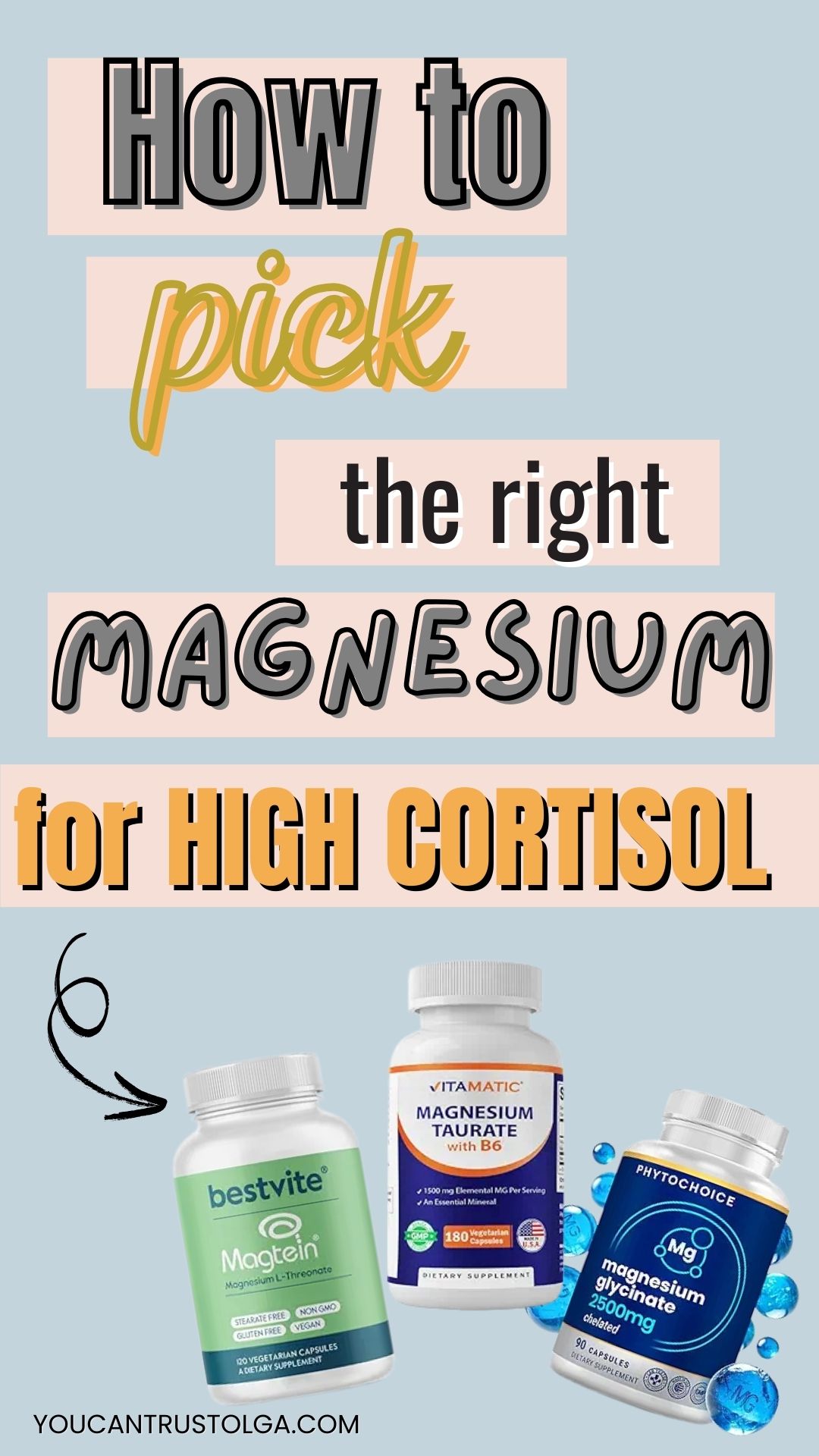
Which type of magnesium is best for high cortisol
Not all magnesium supplements work the same way. Different forms are absorbed differently and target different systems in the body. When cortisol is the concern, the goal is nervous system calming rather than stimulation or digestion.
Below are the forms most often recommended for stress-related issues.
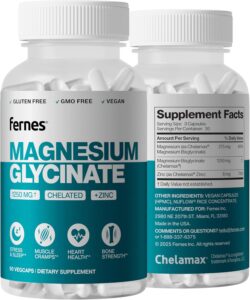
Magnesium Glycinate
Magnesium glycinate is magnesium bound to glycine, an amino acid that is naturally calming for the nervous system. Glycine is involved in inhibitory signaling in the brain, which is one reason this form is often described as “settling” rather than sedating.
This type is well tolerated by most people and less likely to cause digestive upset. It’s often chosen by people dealing with chronic stress, nighttime alertness, or difficulty unwinding. Many notice its effects most clearly in the evening, especially when stress shows up as mental tension or difficulty letting go at the end of the day.
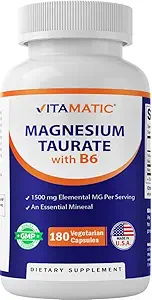
Magnesium taurate combines magnesium with taurine, an amino acid involved in cardiovascular and nervous system function. Taurine has a stabilizing effect on the body and is often associated with a sense of physical calm rather than mental heaviness.
This form may be especially useful when stress shows up in the body, such as tightness in the chest, a racing or irregular heartbeat, or a sense of internal agitation. Some people find this type of grounding without making them sleepy, which can make it a good option for daytime use.
Magnesium Threonate
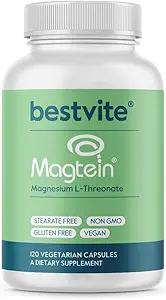
Magnesium threonateis unique because it is able to cross the blood-brain barrier more effectively than other forms. This means it has a more direct impact on brain chemistry and cognitive processes.
People who experience high cortisol primarily as mental overload, racing thoughts, difficulty concentrating, or constant rumination may find this form particularly helpful. Rather than creating physical relaxation, it often brings a sense of mental clarity and quiet, making it a good option for cognitive stress.
Forms that may not be ideal for high cortisol
Magnesium citrate is commonly used for digestive support and constipation. Because of its laxative effect, it can be activating and may not be the best choice for people whose stress already feels intense or anxious.
Magnesium oxide is inexpensive and widely available, but it is poorly absorbed and often less effective for stress-related concerns. If you’ve ever tried magnesium before and saw no result, that might explain why.
What else to consider when cortisol is high
Magnesium can be an important piece of the picture, but elevated cortisol is rarely caused by one factor alone. Cortisol levels are influenced by daily habits, stimulation, sleep, and how the body responds to ongoing stress.
Certain substances can significantly deplete magnesium over time. Caffeine increases magnesium loss through the kidneys and can push the nervous system into a more activated state, especially when consumed in large amounts or later in the day.
Alcohol also depletes magnesium and disrupts sleep architecture, which can further drive cortisol elevation even if it initially feels relaxing.
Calcium supplements are another factor to consider. Calcium and magnesium work in balance with each other, and taking high doses of calcium without adequate magnesium can contribute to muscle tension, restlessness, and difficulty relaxing. This doesn’t mean calcium is harmful, but the ratio matters, especially under stress.
Beyond supplementation, cortisol regulation depends heavily on lifestyle patterns. Consistent sleep habits, including regular bedtimes and minimizing stimulation at night, help reset the body’s stress rhythm.
Regular movement, especially walking, gentle strength training, or low-intensity exercise, supports healthy cortisol patterns better than constant high-intensity workouts.
Stress management techniques also play a major role. Practices that help the nervous system feel safe, such as somatic exercises, slow breathing, time in nature, and emotional processing, can reduce the constant stress signaling that keeps cortisol elevated.
Magnesium works best when paired with these foundational supports. Together, they help create conditions where the body no longer needs to stay in a constant state of alert.