
You know that feeling when your body just can’t seem to relax even when nothing stressful is happening? You wake up tired, run on coffee all day, then lie in bed at night staring at the ceiling. That’s what I call a cortisol hangover.
It happens after months (or even years) of running on stress hormones. Your body gets so used to being in “go” mode that it forgets how to rest. Even when you try to slow down, your muscles stay tense, your thoughts keep spinning, and your sleep doesn’t feel truly restful.
This constant wired and tired state isn’t just in your head, it’s your nervous system asking for help. The simplest way to restore your body after stress is through movement. But don’t worry – thankfully, we have SOMATIC EXERCISES, which are the easiest and most gentle form of “workout” out there.
In this article, we’ll go through seven gentle, practical somatic exercises that anyone can do at home to reset the body, lower cortisol, and finally start feeling grounded again.
How Cortisol Affects Your Energy, Mood, and Sleep
Cortisol is often called the “stress hormone,” but it’s not all bad. In small amounts, it helps you wake up in the morning, stay alert, and handle daily challenges. The problem starts when cortisol stays high for too long.
When your body is under constant stress, it keeps producing cortisol like you’re in danger, even when you’re just sitting at your desk or scrolling on your phone.
Over time, that steady drip of stress hormones makes you feel exhausted but restless at the same time. You might have bursts of energy during the day, then crash hard in the afternoon or feel wide awake at midnight.
High cortisol also messes with your MOOD. You might notice you’re more irritable, anxious, or emotionally sensitive. Small things that normally wouldn’t bother you suddenly feel overwhelming.
And because cortisol suppresses melatonin, it can throw off your sleep cycle, making it harder to fall asleep or stay asleep through the night.
Your body can’t recover when it’s stuck in this loop. That’s why learning how to lower cortisol isn’t just about stress relief, it’s about teaching your body to feel safe again so your energy, mood, and sleep can return to balance.
Nervous system and cortisol regulation
When the body experiences stress, whether it is a real threat, something we anticipate, or even a memory that triggers a stressful feeling, the nervous system gets activated. Specifically, the sympathetic nervous system kicks in, signaling the body to prepare for action and mobilize energy to respond effectively.
Body releases stress hormones like adrenaline, which increases heart rate, raises blood pressure, and gives the body a quick burst of energy.
At the same time, cortisol is released. It increases blood sugar by prompting the liver to release glucose and temporarily reducing insulin sensitivity, making sure the muscles and brain have the fuel they need to respond.
This response is very helpful in the short term because it prepares the body to react quickly and stay alert.
However, if the body stays in this heightened state for too long and cortisol remains consistently high, that’s when stress starts to take a real toll. This is where constant fatigue sets in.
You may notice high blood sugar, unexpected weight gain, trouble sleeping, and other unexplainable physical issues.
7 Somatic Exercises to Reduce Cortisol
Stress usually shows up in the body first. For example, your shoulders get tight, your breathing becomes shallow, or you feel overall tensed up.
When your body stays tense like this, it send signals to your brain that something is wrong. In response, your body releases more cortisol. Before you know it, tension and stress feed off each other and become a cycle.
To break it off, you can start somewhere. You can calm your mind or work through the tension in your body.
Somatic exercises focus on the body. They help release tightness and signal to your nervous system that it is safe to relax. Over time, this can quiet the stress cycle and bring down cortisol, helping you feel lighter and more at ease.
The Body Keeps The Score by B. Kolk
This book is a goldmine for trauma healing. It shows how trauma and stress live in the body, not just the mind, and explores how practices like yoga, mindfulness, and somatic therapy can support true recovery. A must-read for anyone on a healing path.
Let me share 7 simple yet powerful somatic exercises you can easily do at home to naturally lower cortisol levels.
1. Gentle Spinal Roll
The spine often holds stress without us noticing. The gentle spinal roll helps release tightness along the vertebrae, encourages fluid movement, and improves circulation, helping your nervous system shift out of alert mode.
How to do it: Start seated or standing with feet hip-width apart. Slowly roll your spine down, vertebra by vertebra, letting your head and shoulders follow naturally. Pause at the bottom, then roll back up slowly.
Optional props: If you doing it on the floor, use yoga mat for comfort, and a small yoga block behind the lower back for support.
2. Shoulder Melting Stretch
Stress often collects in the shoulders and upper back, creating stiffness and holding the stress in. The shoulder melting stretch encourages your shoulders to relax down and back, opens the chest, and releases upper body tension, which can signal to your nervous system that it is safe to calm down.
How to do it: Sit or stand tall and let your shoulders drop away from your ears. Imagine your shoulders slowly melting down your back. To deepen the stretch, clasp your hands behind your back and gently lift your arms, focusing on slow, steady breaths.
3. Shake Off Technique
This exercise is exactly what it sounds like, SHAKING THINGS OFF. And it is my absolute favorite.
It’s one of the simplest yet most effective ways to help the body release built-up stress and lower cortisol.
SHAKE OFF TECHNIQUE
Stand straight in the place where no one can see you.
Start with your arms. Gently shake them out, letting the movement travel through your wrists and fingers.
Then move to your shoulders, letting them bounce and loosen.
Gradually let the shaking spread through your torso, hips, and legs.
Soften your knees and let your feet join in.
At some point, your whole body will be moving as if you’re trying to shake something off. It might look a little funny from the outside, but that’s the point.
It’s about releasing control and letting your body unwind. Let the movement be messy, loose, and free. A minute or two of full-body shaking can leave you feeling lighter, calmer, and more present in your body.
4. Tension Release Somatic Sequence
When the stress and tension overwhelms you, sometimes the most powerful thing you can do is MOVE: slowly, intentionally, without trying to fix anything.
This super simple, yet POWERFUL sequence is perfect for moments when you feel disconnected, frozen, or overstimulated.
3-MINUTE TENSION RELEASE SEQUENCE
You can do this seated or standing — wherever you are.
Roll your shoulders, one at a time, in slow circles. Notice the stretch and the warmth.
Gently sway side to side. Let your arms be heavy. Imagine your body as seaweed moving in water.
Lift your arms with an inhale, lower them with an exhale. Do this 3–5 times. Match breath to movement.
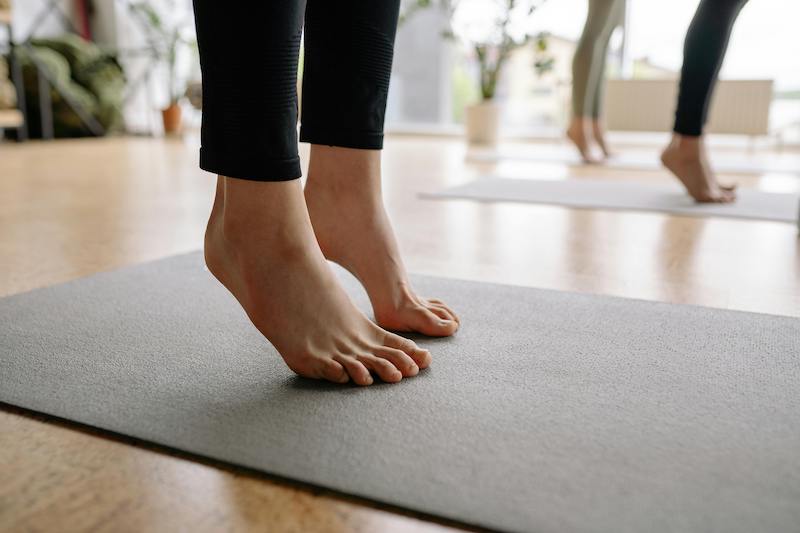
Stamp your feet or shift your weight from heel to toe. Feel the floor supporting you.
Place one hand on your chest, one on your belly. Take a slow breath and whisper: I am here.
5. Vagus Nerve Activation (Neck Glide or Humming)
The vagus nerve plays a key role in calming the nervous system. Activating it can shift the body from a high-alert state to a state of relaxation. Techniques like gentle neck movements or humming can help reduce cortisol and encourage a sense of calm.
How to do it: Gently tilt your head from side to side, moving slowly and smoothly. Alternatively, hum for several seconds, feeling the vibration in your chest and throat.
6. Grounding Body Scan Before Bed
Evening tension can keep cortisol elevated and interfere with sleep. A grounding body scan brings awareness to where tension remains and allows the body to release it. This practice helps the nervous system shift toward rest and recovery.
How to do it: Lie down or sit comfortably and slowly bring attention to each part of your body, from your toes to the crown of your head. Notice areas of tension and consciously release them.
7. Psoas Release Pose
The psoas is a deep hip flexor that often holds stress, affecting posture, breathing, and lower back tension. Releasing this area helps the body let go of hidden stress and can signal a shift in the nervous system toward relaxation.
How to do it: Lie on your back and bring one knee toward your chest while keeping the other leg extended on the floor. Hold for several breaths, then switch sides.
cortisol friendly habits
Get consistent sleep.
Try to go to bed and wake up around the same time every day. A steady sleep routine helps regulate your cortisol rhythm, so your body knows when to be alert and when to rest. Even one late night can throw your hormones off balance, so aim for regularity more than perfection.
Eat regular meals.
Skipping meals or eating on the go can trigger cortisol spikes. Give your body steady energy by eating balanced meals throughout the day, especially breakfast. Include protein, healthy fats, and complex carbs to keep your blood sugar stable.
Move your body daily.
Gentle, consistent movement keeps cortisol in check. Walking, stretching, yoga, or even dancing around your kitchen all help your body release tension and reset. The goal isn’t intensity; it’s consistency and enjoyment.
Spend time outside.
Natural light helps regulate hormones and improves mood. Try to get at least fifteen minutes of sunlight in the morning or during lunch. It tells your body that you’re safe and grounded in the present.
Limit caffeine.
Too much coffee or energy drinks can raise cortisol and make you feel restless or anxious. Try switching to green tea or matcha in the afternoon, or cut off caffeine after noon to give your body time to unwind.
Take mindful breaks.
Every hour or two, pause. Step away from screens, stretch your shoulders, or take three deep breaths. These short breaks tell your nervous system it’s okay to relax and help prevent chronic stress buildup.
Practice relaxation.
Create moments of calm at the end of your day. Read, journal, take a bath, or listen to soothing music. Simple rituals like these signal to your body that it’s time to shift out of “go mode.”
Stay connected.
Positive social connection naturally lowers cortisol. Call a friend, spend time with someone supportive, or share a laugh. Feeling seen and understood is one of the best stress relievers there is.
Keep evenings calm.
Dim the lights, reduce noise, and unplug from devices an hour before bed. Your body needs darkness and quiet to produce melatonin, the hormone that helps lower cortisol and prepare for rest.
Laugh and have fun.
Joy is one of the easiest ways to lower stress hormones. Watch something funny, play with your pet, or do something that makes you genuinely smile. Fun is not a distraction from stress; it’s the antidote.
Final Thoughts
Your body is designed to handle stress, but when cortisol stays elevated for too long, it can feel overwhelming. The good news is that small, consistent practices can help your system reset. Following the grounding exercises and cortisol-friendly habits for seven days gives your nervous system a gentle reminder of what calm feels like.
You don’t need to do everything perfectly. Even just a few mindful pauses, gentle movements, and simple routines over a week can help restore balance, support better sleep, and give your energy a steady rhythm. Think of this seven-day reset as a way to give your body a fresh start, a small but powerful step toward feeling more stable, present, and in control of your stress response.