Cortisol is often called the body’s “stress hormone,” and for good reason. It rises when we’re under pressure, running on little sleep, or dealing with emotional strain. In the short term, that’s useful. It helps us stay alert and respond to challenges.
But when cortisol stays elevated for too long, it can leave us feeling tired but wired, disrupt sleep, increase cravings, and make stress feel harder to recover from. One of the simplest ways to support a healthier stress response is through food.
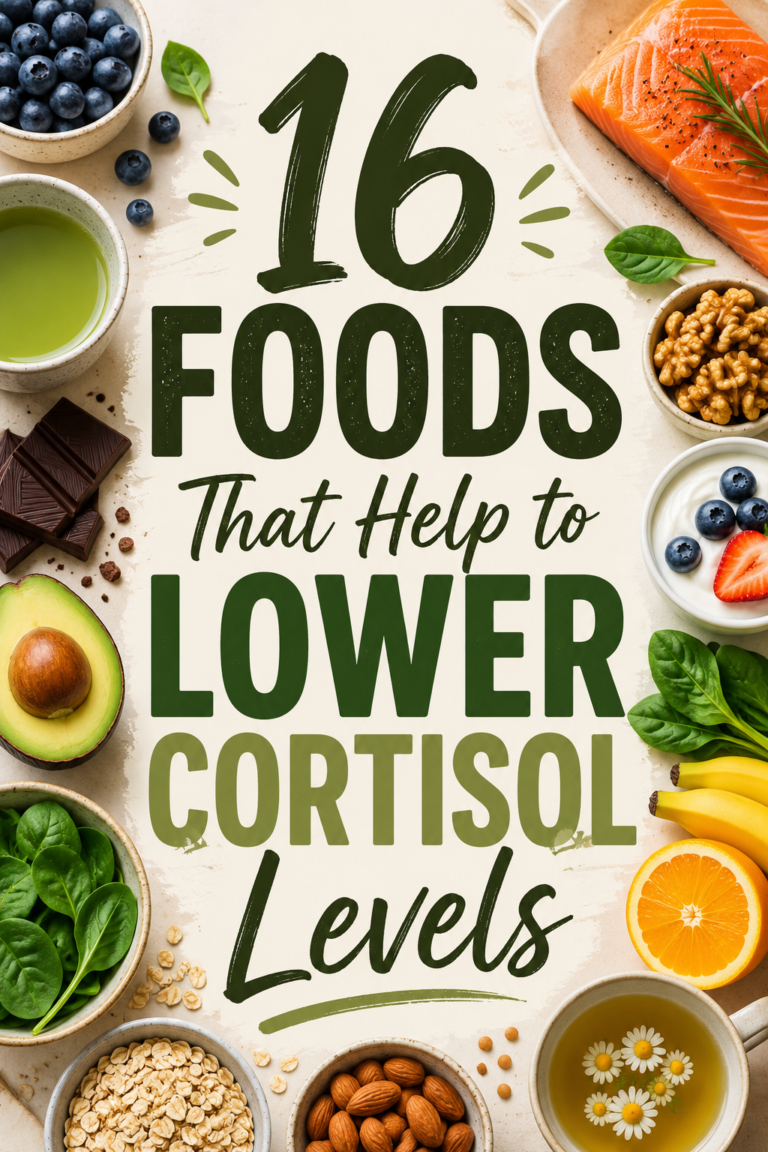
Certain nutrients help stabilize blood sugar, calm inflammation, and support brain and gut function – all of which play a role in how the body manages stress. Here are 16 foods that fit naturally into a cortisol-friendly diet.
1. Dark chocolate
Let’s start with good news first, although I see how one could be skeptical. Indeed, it is true, and dark chocolate, especially varieties with high cacao content, can be surprisingly supportive for stress balance. It contains flavonoids that directly buffer adrenal stress response. That’s why dark chocolate is a natural mood enhancer.
A small amount can also feel satisfying, which helps reduce stress-driven snacking later on.
2. Salmon
Salmon is one of the most reliable foods when it comes to supporting stress balance, and there’s a clear reason for that.
It’s rich in omega-3 fatty acids, which help regulate the body’s inflammatory response. When inflammation is lower, your stress system doesn’t have to stay in a constantly “on alert” mode. That means your body can handle pressure more smoothly instead of overreacting to it.
It also works in a very practical way, salmon is high in protein, which helps stabilize blood sugar. And stable blood sugar is one of the most underrated factors in keeping cortisol from spiking unnecessarily throughout the day.
3. Green tea
Green tea has a naturally calming compound called L-theanine, which helps take the edge off without making you sleepy. It’s a good alternative when you want something warm but not overstimulating, like coffee.
Swap one of your daily coffees for green tea, especially in the afternoon when stress and fatigue tend to overlap.
4. Avocado
Avocados are basically nature’s stress-support food wrapped in one simple package. They’re loaded with B vitamins, potassium, and healthy monounsaturated fats. All these nutrients play a role in keeping your energy, mood, and stress response more stable throughout the day.
It’s also one of the easiest foods to work into everyday eating because it blends into almost anything without effort.
Add it to toast in the morning, slice it into salads for extra creaminess and fullness, or mash it into wraps and sandwiches.
5. Spinach
Spinach is one of those quiet foods that does more than it looks like it should. It’s rich in magnesium, a mineral that plays a key role in calming the nervous system and helping your body handle stress more smoothly. When magnesium levels are steady, stress tends to feel less sharp and less overwhelming.
It’s also incredibly easy to add into meals without changing the flavor too much, which makes consistency simple.
Toss it into eggs in the morning, blend it into smoothies, or stir it into warm dishes like pasta or rice right before serving so it softens naturally.
Blueberries are small, but they carry a lot of protective compounds that help your body deal with everyday stress load. They’re especially rich in antioxidants, which support your cells when your system is under pressure, thus indirectly regulating cortisol.
They also work well when you want something sweet without triggering an energy crash later.
Add them to yogurt, oatmeal, or just keep a bowl ready as a quick grab-and-go snack when stress eating starts creeping in.
7. Greek yogurt
Greek yogurt supports something most people overlook when it comes to stress: gut balance. And when your gut is functioning well, your mood and stress response tend to follow.
It’s also high in protein, which helps keep blood sugar stable, which is one of the most important factors in preventing cortisol spikes during the day.
Use it as a base for breakfast bowls with fruit and honey, or as a quick protein snack when you need something steady and filling.
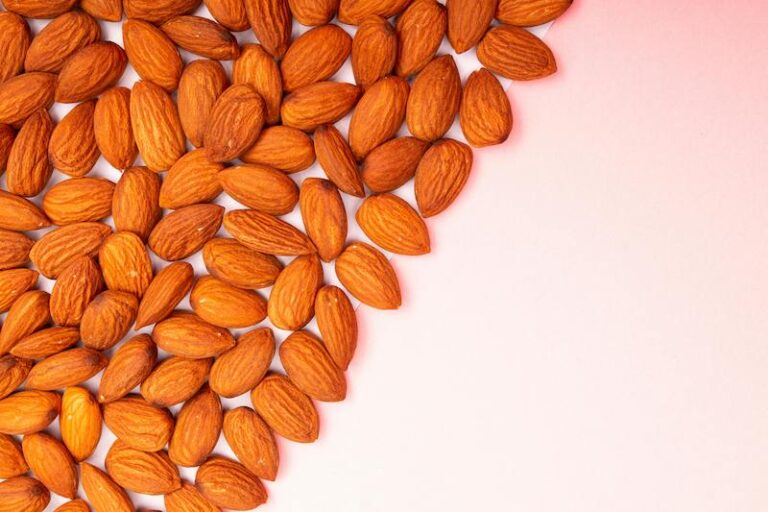
8. Almonds
Almonds are one of the simplest stress-friendly snacks you can keep around. They combine healthy fats, magnesium, and protein in a way that helps keep energy steady between meals.
That stability matters more than people think. It helps prevent those sudden dips that often lead to stress cravings.
Keep a small handful in your bag, add them to yogurt or oats, or just eat them as a quick snack when your day gets busy.
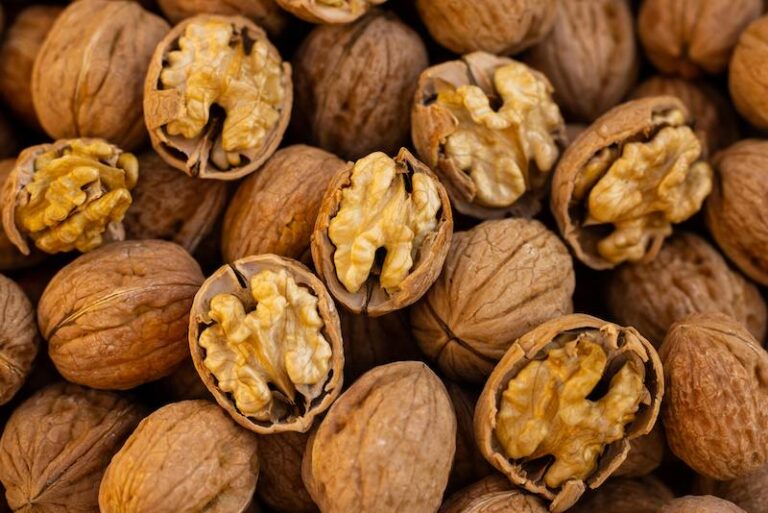
9. Walnuts
Walnuts are often thought of as a “brain food,” and there’s a reason for that. They contain plant-based omega-3s that support both brain function and emotional balance, especially during periods of mental overload.
They’re particularly useful when your stress feels more mental than physical.
Sprinkle them over salads, mix them into oatmeal, or pair them with fruit for a simple, grounding snack.
10. Bananas
Bananas are one of the fastest ways to bring your energy back into balance when stress starts affecting your appetite or focus. They contain vitamin B6, which supports neurotransmitters involved in mood regulation.
They’re also naturally sweet, which helps reduce the urge for processed sugar when stress hits.
Eat one on its own, slice it into oats, or pair it with nut butter for a more stable snack.
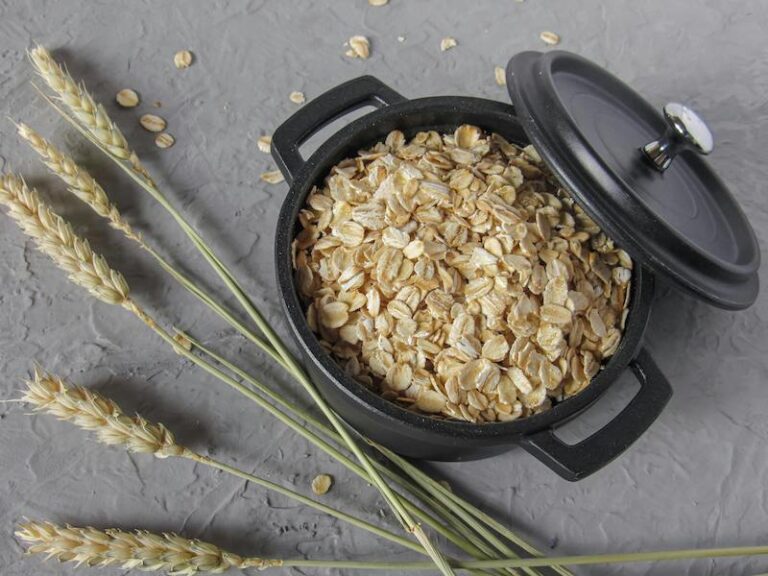
11. Oats
Oats are one of the most reliable foods for steady energy. They digest slowly, which helps prevent the blood sugar spikes and crashes that often contribute to stress responses.
They also create a feeling of calm fullness that lasts for hours, which makes them especially useful on busy days.
Make overnight oats, cook them warm with fruit, or top them with nuts and seeds for a more balanced breakfast.
12. Chamomile tea
Chamomile tea is less about nutrition and more about signaling your body to slow down. It has a naturally calming effect that helps ease the transition from a busy day into rest.
It works best as a routine rather than a quick fix.
Drink it in the evening, especially when your mind feels active but your body is tired.
13. Eggs
Eggs are one of the most efficient ways to support stable energy. They provide high-quality protein and nutrients that help your body maintain balance throughout the day.
That stability is key when it comes to avoiding stress-driven energy crashes.
Scramble them for breakfast, boil them for quick snacks, or add them to bowls and salads for extra staying power.
14. Lentils
Lentils are slow-burning and grounding, which makes them ideal when you want long-lasting energy without spikes. They’re high in fiber and protein, both of which help keep your system steady.
They also tend to feel comforting, especially in warm meals.
Use them in soups, stews, or simple salads with olive oil and lemon.
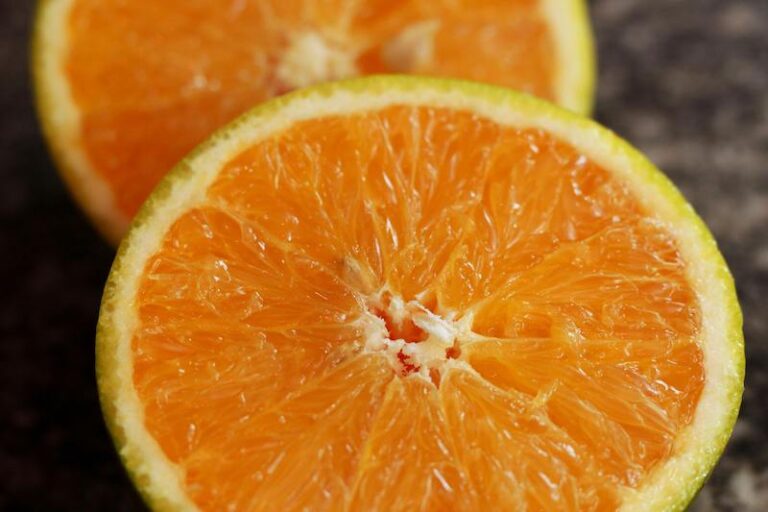
15. Oranges
Oranges are refreshing, simple, and naturally supportive during stressful moments. They’re rich in vitamin C, which your body uses more heavily when under pressure.
They also give you a clean, quick energy lift without the crash that comes from processed sugar.
Eat them as a snack, or slice them into salads for a fresh contrast.
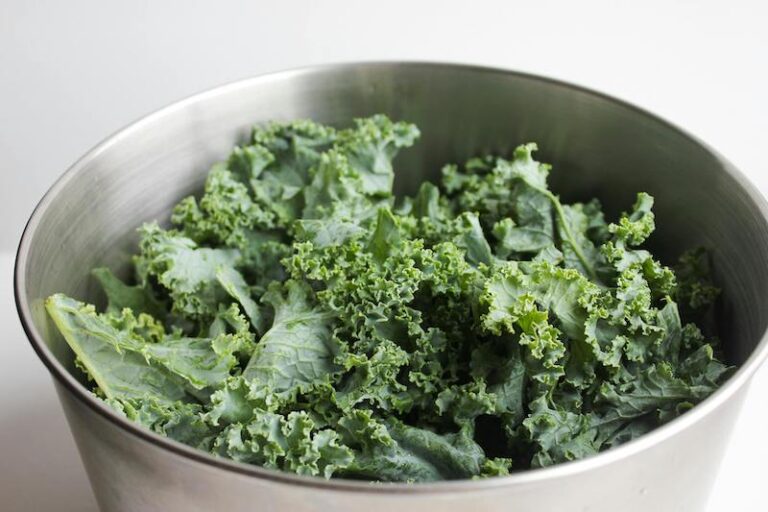
16. Kale
Kale is one of those dense, nutrient-rich greens that quietly supports your stress system over time. It contains magnesium, calcium, and antioxidants that help your body stay more resilient under pressure.
It’s not about intensity, it’s about consistency.
Massage it into salads with olive oil, blend it into smoothies, or cook it into soups and stir-fries so it softens and becomes easier to eat regularly.
What else can help to reduce cortisol
Food and diet is an important foundation for the adrenal health, but it is only one of the players. Beyond nutrition, there are several additional ways to support healthy cortisol regulation.
Sleep
A consistent sleep schedule, good sleep quality, and proper recovery help restore the body’s natural cortisol rhythm, which should be higher in the morning and lower at night. Poor or irregular sleep can keep cortisol elevated and make stress harder to manage. So, be mindful of that.
Physical movement
Physical activity also plays a major role, but it doesn’t need to be intense. In fact, the most supportive forms are often gentle and restorative, such as walking, stretching, yoga, and light strength training. This category also includes somatic practices — slow, body-focused movements that help release physical tension and improve the connection between the body and nervous system.
Supplements
Certain supplements are powerful in supporting the body’s stress response. Magnesium is a big player in keeping nervous system regulated and promotes sleep quality. Ashwagandha is one of the most well-known adaptogens used to help the body adapt to stress more efficiently.
Nervous system regulation
Cortisol is deeply connected to the nervous system and the vagus nerve, so calming and regulating that system is essential. Practices such as slow, controlled breathing, mindfulness, meditation, and grounding exercises help shift the body out of a constant “fight-or-flight” state.
Time in nature, reducing overstimulation from screens and constant notifications, and creating moments of stillness throughout the day all support this reset.