
If you’ve been eating well, trying to move your body, and still feel like your energy is low, your sleep is off, and your belly just won’t respond the way it used to, don’t rush to take it as your personal failure.
In many cases, what’s standing in the way isn’t discipline or effort – it’s CORTISOL.
Cortisol is your main stress hormone. It’s meant to rise and fall throughout the day, helping you wake up in the morning and respond to short-term stress.
The problem starts when stress becomes chronic. When cortisol stays elevated for too long, your body shifts into protection mode.
FAT loss slows down, especially around the belly.
INFLAMMATION increases.
SLEEP becomes lighter or fragmented.
CRAVINGS intensify.
Even healthy habits can start feeling like they’re working against you.
That’s the place this 30-Day Cortisol Reset Challenge is designed for.
This is NOT an extreme detox or a rigid plan you have to power through. It’s a beginner-friendly reset built around calming your nervous system, lowering inflammation, and gently bringing hormones back into balance. It built on REALISTIC lifestyle changes and a Mediterranean-style way of eating that most people can actually sustain.
This 30-Day Cortisol Challenge is:
- Not stressful
- Beginner-friendly, &
- Sustainable
Why Target the whole body
Cortisol doesn’t exist in isolation.
It’s closely connected to blood sugar, inflammation, sleep, and other hormones. That’s why quick fixes rarely work. You can’t lower cortisol by changing just one thing.
This challenge focuses on three foundational targets.
- First, reducing chronic stress signals to the nervous system. This doesn’t mean removing stress from your life – it means changing how your body responds to it.
- Second, lowering inflammation. Chronic stress and inflammation fuel each other, keeping cortisol elevated even when you’re trying to do everything right.
- Third, supporting hormone balance through lifestyle habits your body can relax into, rather than resist.
30-Day Cortisol Challenge targets:
- Chronic stress
- Inflammation
- Hormonal imbalance
What the 30 Days Are Built Around
The challenge works because it addresses cortisol from multiple angles at once: daily routines, supportive supplementation, and, most importantly nutrition.
Rather than overwhelming you with rules, the focus is on creating rhythm. When your days become more predictable and nourishing, cortisol naturally starts to come down.
Now, that you are ready, let’s move to specifics.
step 1: Mark your baseline
Before you change anything, it’s important to understand where you stand right now.
Cortisol imbalance doesn’t always look dramatic. Most people don’t label their symptoms as “stress hormones.”
Instead, cortisol shows up quietly: in stubborn belly fat, feeling tired but wired, waking up at night, anxiety, irritability, brain fog, digestive issues, or constant cravings.
Over time, these symptoms get normalized or brushed off as aging, burnout, or lack of willpower.
Before day one of the challenge, I recommend doing a simple cortisol self-assessment. This isn’t a medical test and it’s not meant to diagnose anything.
Think of it as your baseline. Once you finish the 30 days, you’ll come back to the same assessment and see what’s shifted.
Click the button below to get a free savable PDF version of this assesment.
Step 2: Lifestyle adjustments for the next 30 days
This part of the challenge focuses on the daily signals your body receives.
Long before food or supplements can help, your nervous system needs to feel safe. These lifestyle changes are not about doing more – they’re about removing pressure and creating rhythm.
It consists of few elements, that need to be addressed.
1. Sleep
If there’s one habit that has the biggest impact on cortisol, it’s sleep. Cortisol is naturally low at night, which allows your body to rest, repair, and reset.
When sleep is short, inconsistent, or interrupted, cortisol never fully comes down. Over time, this keeps your body in a state of alertness, making fat loss harder, increasing cravings, and leaving you feeling tired but wired.
During this 30-day challenge, follow these specific sleep rules:
Aim for 7–9 hours of sleep each night. Track your bedtime and wake-up time if it helps you stay consistent.
Go to bed before midnight whenever possible. Sleep during the earlier part of the night is more restorative, especially for cortisol balance and hormone regulation.
Wake up at roughly the same time every day, including weekends. Consistency is more important than exact hours. Your nervous system thrives on predictability.
2. Daily movements
Movement is essential for cortisol regulation, but the TYPE of movement matters.
This challenge is not built around intense workouts or pushing through exhaustion. When stress is already high, overly demanding exercise can actually keep cortisol elevated.
Instead, focus on gentle, daily movement that helps your body release tension.
Your daily movements can be:
- walking
- light yoga (10-15 minutes youtube videos)
- stretching
- somatic movements (ideal for lazies)
- using stairs
- easy cycling
The goal is to move EVERY DAY in a way that feels supportive rather than draining.
Consistency matters far more than intensity here.
3. Morning & evening routines
Your cortisol rhythm is strongly influenced by how you start and end your day.
In the morning, cortisol naturally rises to help you wake up. Adding stress on top of that, like immediately checking your phone or drinking coffee the moment you open your eyes, can push it too high.
Delaying caffeine for about 60 to 90 minutes after waking allows your natural rhythm to settle before stimulation is added.
Evenings are about helping cortisol come down. A one- to two-hour break from screens, paired with calming activities like gentle movement, journaling, or a simple mind dump, helps your nervous system shift out of alert mode and prepares your body for deeper sleep.
THE MIND DUMP EXERCISE
This exercise is designed to help your nervous system downshift, especially in the evening when cortisol tends to stay elevated from a busy or stressful day. The goal isn’t to journal beautifully or analyze anything – it’s to empty your mind so your body can relax.
Set a timer for 5 to 10 minutes. Use a notebook or a single sheet of paper. This is not something you’ll reread or keep.
Start writing everything that’s taking up mental space right now. Write in short sentences, fragments, or bullet-style thoughts – whatever comes naturally.
Include:
Things you’re worried about
Tasks you don’t want to forget
Conversations replaying in your head
Emotions you haven’t named yet
Random thoughts that feel unfinished
Don’t censor yourself and don’t organize your thoughts. Spelling, grammar, and order do not matter. If your mind goes blank, write “I don’t know what to write” until something else comes up.
When the timer ends, stop writing. Take one slow breath in through your nose and a longer breath out through your mouth.
Close the notebook or fold the paper and set it aside. You do not need to reread it or solve anything right now.
4. Environmental stressors
Not all stress comes from your schedule or your thoughts.
Every day exposure to certain chemicals can quietly add to your stress load by disrupting hormones and increasing inflammation. Plastics, artificial fragrances, and endocrine-disrupting compounds don’t feel stressful in the moment, but they place an ongoing demand on your system.
During the 30-Day Challenge:
- use glass or stainless-steel containers
- avoid heating food in plastic
- choose fragrance-free or naturally scented personal and household products
These changes may seem small, but together they create a calmer internal environment for hormone balance.
30-Day lifestyle adjustments:
- Sufficient & consistent sleep
- Daily physical activity
- Cortisol friendly morning & night routines
- Addressing environmental stressors
Step 3: Boost yourself with proper supplements
Lifestyle and nutrition come first, but targeted supplements can offer additional support during these 30 days – especially if stress has been present for a long time.
Rather than layering multiple products, this challenge keeps supplementation SIMPLE and INTENTIONAL.
For the full 30 days, I recommend focusing on two core supplements that support cortisol regulation without overstimulating the system: magnesium and ashwagandha.

Magnesium is a foundational mineral that becomes depleted under chronic stress. Low magnesium levels are commonly linked to muscle tension, poor sleep quality, heightened stress responses, and difficulty relaxing. Restoring magnesium helps support the nervous system and creates a more stable baseline for the rest of the challenge.

Ashwagandha is an adaptogenic herb that helps the body adapt to stress rather than react to it. It supports cortisol balance by moderating the stress response over time, making it especially helpful for people who feel chronically overwhelmed, wired, or mentally exhausted. Ashwagandha works gradually and is best used consistently rather than sporadically.

How to use supplements during the challenge
Take magnesium daily, ideally in the evening, to support relaxation and sleep. Consistency is more important than exact timing.
Take ashwagandha once or twice daily, depending on your stress levels. Many people do well taking it in the morning to support stress resilience throughout the day, or split between morning and afternoon. Avoid starting it late at night unless you know it feels calming for you.
Your supplements for the next 30 days:
- Magnesium Glycinate (200-400mg in the evening)
- Ashwagandha (daily & consistently)
step 4: The Cortisol Detox Diet (Mediterranean Style)
You can work on sleep, movement, and routines, but if the diet doesn’t support cortisol regulation, progress will feel slow or inconsistent.
Food is one of the strongest daily signals your body receives. During these 30 days, we’re using that signal intentionally.
The goal for the next 30 days will be removing foods that your body interprets as stress, while emphasizing foods that stabilize blood sugar, reduce inflammation, and support hormone balance.
Why mediterranean-style eating supports cortisol
The Mediterranean diet isn’t trendy. It’s foundational.
It’s built around whole foods, quality protein, healthy fats, fiber-rich carbohydrates, and minimal processing.
This combination helps keep blood sugar steady, which is critical for cortisol balance. When blood sugar spikes and crashes, cortisol rises in response. When blood sugar is stable, cortisol can calm down.
Foods and drinks to exclude for 30 days
For the duration of the challenge, these are considered non-negotiable exclusions:
Alcohol
Wine, beer, hard seltzers, cocktails, spirits, liqueurs, and “low-alcohol” or “healthy” alcohol alternatives.
Energy drinks and stimulants
Energy drinks (Red Bull, Celsius, Bang, Monster), pre-workout powders, stimulant shots, fat-burner supplements, and products containing synthetic stimulants.
Excess caffeine (more than one cup per day)
Multiple cups of coffee, large cold brews, espresso drinks, energy teas, caffeinated sodas, and caffeine powders. (If consuming caffeine, limit to one cup and delay intake until later in the morning.)
Added sugars and sweetened beverages
Sodas, fruit juices, sweetened iced teas, lemonade, flavored waters, sweetened coffee drinks, syrups, candy, chocolate bars, cookies, cakes, and packaged desserts.
Refined carbohydrates
White bread, bagels, croissants, muffins, pastries, white pasta, pizza crust, crackers, pretzels, and baked goods made with refined flour.
Ultra-processed foods
Packaged snacks, chips, flavored popcorn, frozen meals, boxed foods, instant noodles, fast food, processed meats (hot dogs, sausages, deli meats), and ready-to-eat convenience foods.
Artificial sweeteners
Aspartame, sucralose, saccharin, acesulfame potassium (Ace-K), and products labeled “diet,” “zero sugar,” or “sugar-free,” including diet sodas, sugar-free gum, and low-calorie syrups.
Highly inflammatory seed oils
Corn oil, soybean oil, vegetable oil, canola oil, sunflower oil, safflower oil, and foods cooked or packaged with these oils such as fried foods, chips, salad dressings, and commercial sauces.
What’s prohibited for the next 30 days:
- Alcohol
- Energy drinks
- Caffeine
- Added sugars
- Refined carbs
- Processed foods
- Artificial sweeteners
- Certain oils
Breakfast rules
Morning cortisol is naturally higher, because it’s what helps you wake up. The problem starts when breakfast amplifies that spike.
During this challenge, breakfast should be built around protein and healthy fats. Skipping sugar-heavy or refined-carb breakfasts helps prevent sharp blood sugar swings that trigger additional cortisol release.
Here are some examples of what your breakfast can look like.
Egg-based options
Scrambled eggs cooked in olive oil with avocado on the side
Omelet with eggs, spinach, mushrooms, and feta or goat cheese
Hard-boiled eggs with olives and sliced cucumber
Eggs with smoked salmon and a drizzle of olive oil
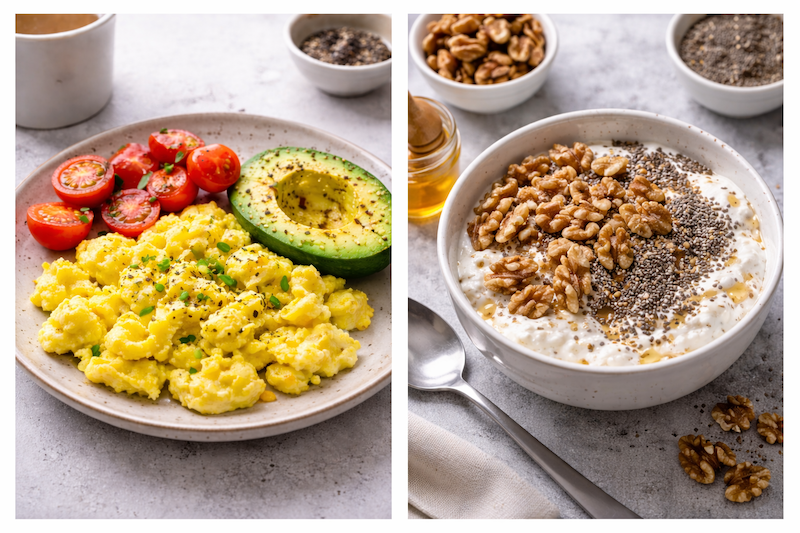
Protein + fat (no eggs)
Greek yogurt (full-fat, unsweetened) with chia seeds and walnuts
Cottage cheese (full-fat) with olive oil, salt, and herbs
Ricotta cheese with crushed walnuts and cinnamon (no sweeteners)
Savory breakfasts
Leftover grilled chicken or turkey with avocado and olive oil
Sardines or tuna in olive oil with sliced tomatoes
Bone broth with added collagen peptides and a side of eggs or avocado
Quick options
Protein shake made with unsweetened almond milk, protein powder, and nut butter
Cheese slices with nuts and a boiled egg
Meal timing and eating rhythm
How you eat can affect your stress levels just as much as what you eat. Here’s how you going to structure your meals for the next 30 days:
1. Eat every 3–4 hours to signal safety to your nervous system and keep cortisol steady. Aim for three main meals each day, with one optional snack if you need it.
2. Plan to eat your meals at roughly the same times each day. Avoid long gaps between meals, even on busy days. Skipping meals or pushing through hunger can increase stress signals in the body, especially if stress levels are already high.
3. Keep dinner earlier and lighter when possible. This helps cortisol naturally decline in the evening and supports better sleep. This is not a period for aggressive fasting, restrictive eating, or ignoring hunger cues.
For these 30 days, the priority is CONSISTENCY. Eating regularly, even if meals aren’t “ideal,” is far more important than timing things perfectly.
Consistency is what allows your body to feel safe again function properly.
How to make your meals Mediterranean
You may be wondering what actually makes a meal “Mediterranean.”
When you look at it in simple terms, there is nothing fancy about it. It’s about how you build your meals so your body feels supported and steady.
For this challenge, every meal should include protein, healthy fats, and fiber. That’s it.
When those three are present, meals naturally become more balanced and calming for your system. Let’s break it down.
Healthy Fats
Healthy fats are the fats you want to include regularly. They help reduce inflammation, support hormones, and keep you satisfied after meals. In a Mediterranean-style way of eating, olive oil is the main fat you’ll use.
Use healthy fats like:
Olive oil (for cooking and dressing foods)
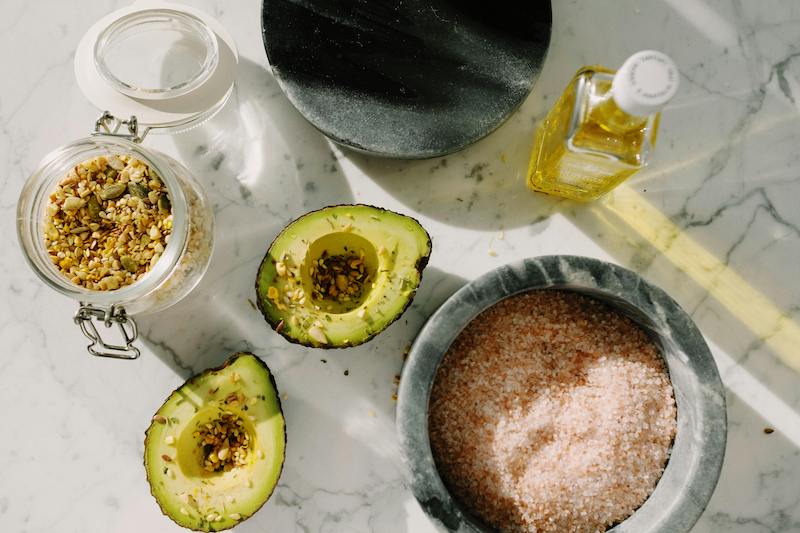
Avocado
Olives
Nuts and seeds
Fatty fish like salmon or sardines
Unhealthy fats are usually highly processed fats that come from fried foods, packaged snacks, and refined oils. That’s the ones we’ve already mentioned that you have to avoid during the challenge.
Fiber
Fiber comes from plant foods and helps slow digestion, stabilize blood sugar, and support gut health. When meals are low in fiber, blood sugar tends to spike and crash, which can increase stress and cortisol.
To add fiber, make sure most meals include:
Vegetables (especially leafy greens, zucchini, broccoli, peppers)
Beans or lentils
Whole grains like quinoa or brown rice
Fruit in moderate amounts
A simple rule: if your plate doesn’t include plants, add some.
Protein
This is where many people get stuck. You do not need to eat chicken every day to eat “healthy.” You also don’t need to rotate only chicken and salmon. A Mediterranean approach to protein is about variety, not repetition.
Instead of thinking, “What’s the one healthy protein?” think, “What protein can I choose today?”
You can rotate between:
Fish and seafood
Eggs
Chicken or turkey
Lentils, beans, or chickpeas
Greek yogurt
Tofu or tempeh
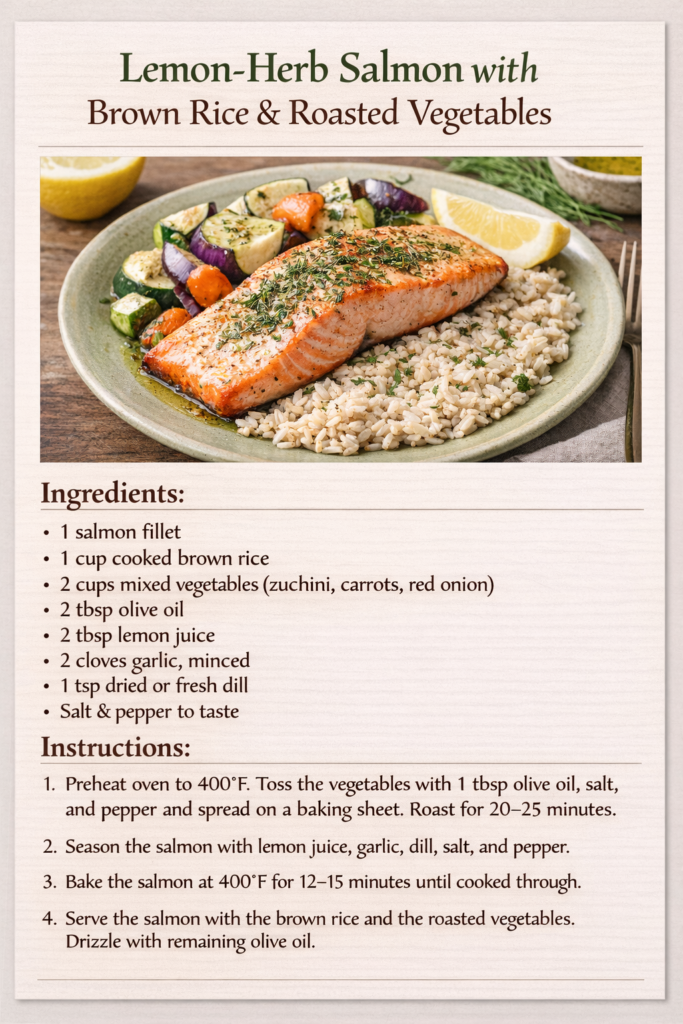
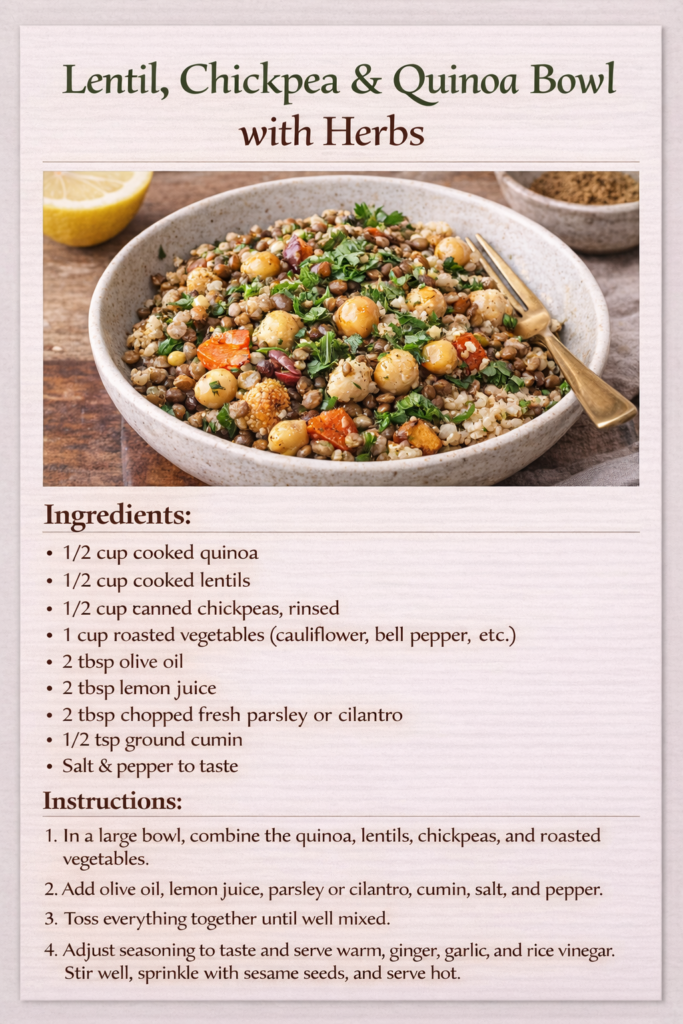
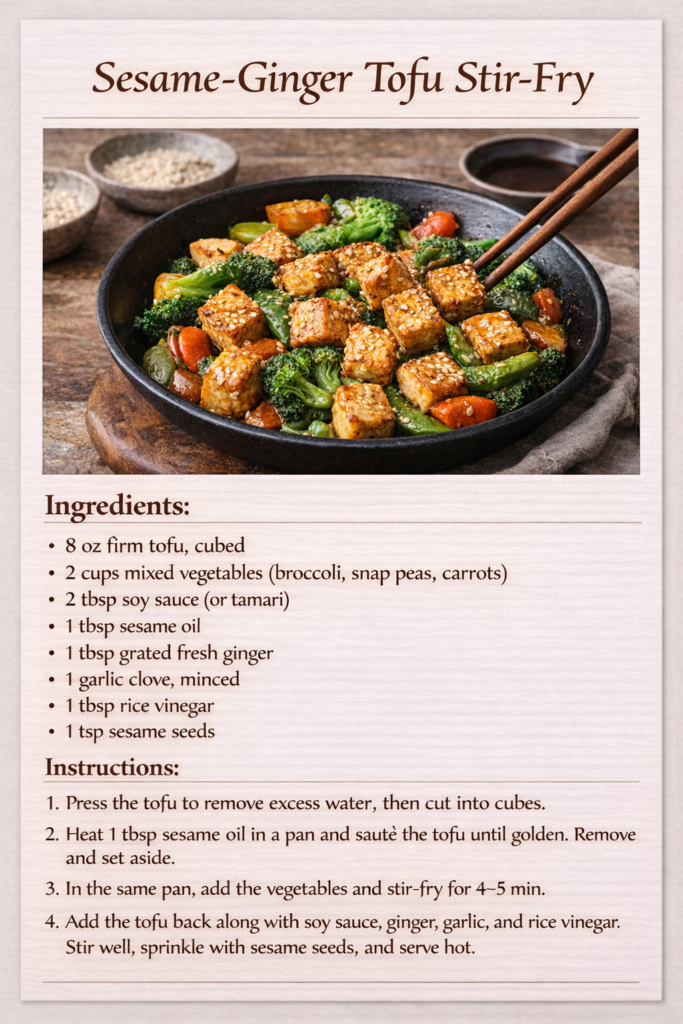
Examples of cortisol lowering meals
These meals are designed to be balanced, satisfying, and calming for your nervous system. Each one includes protein, healthy fats, and fiber to help keep blood sugar stable and stress hormones steady. Use them as inspiration rather than strict recipes.
If cortisol is stubborn
If you’ve been following this 21-day plan and still feel like your stress levels aren’t improving—or you simply want to accelerate your results—it may be helpful to incorporate additional support tools.
There are devices on the market, such as Pulsetto or Sensate, that work with vagus nerve stimulation.
While they are not a replacement for foundational habits, they can serve as a helpful complement—especially for those who feel their system remains in a heightened stress state.
In conclusion
These meals are designed to be balanced, satisfying, and calming for your nervous system. Each one includes protein, healthy fats, and fiber to help keep blood sugar stable and stress hormones steady. Use them as inspiration rather than strict recipes.