You’re eating healthy. You’re working out. You’ve even cut back on caffeine.
But you still feel anxious, wired, and completely exhausted.
The belly fat won’t go away. Your sleep is a mess. And no matter what you try, your body just won’t calm down.
The missing piece? High cortisol.
In this article, you’ll learn the real signs of elevated cortisol.
You’ll find out how it affects your body, especially that stubborn BELLY FAT.
And most importantly, you’ll discover 9 natural supplements that actually help.
Plus: the best foods and daily habits to bring your stress hormones back into balance — gently, and naturally.
Let’s get to it!
Signs of High Cortisol
Your cortisol level naturally rises and falls throughout the day, but when you’re chronically stressed, it can STAY HIGH ALL DAY LONG. And that’s when symptoms show up.
Common signs your cortisol is too high:
😵💫 Anxiety, irritability, or feeling “on edge”
😴 Poor sleep (especially waking up between 2–4 AM)
📉 Brain fog or poor memory
🍭 Craving sugar or salty snacks
👖 Unexplained belly fat (even if you’re eating well)
🧠 Fatigue with bursts of wired energy
🧊 Low libido and menstrual changes
🤧 Frequent colds or slow healing
What Does a “Cortisol Face” Look Like?
Ever looked in the mirror and thought, “Why does my face look so puffy and tired even after a full night of sleep?”
High cortisol can subtly (or not-so-subtly) change your appearance:
Puffy or swollen face, especially in the cheeks or under the eyes
Redness or breakouts, especially along the jawline
Thinner skin with fine lines that seem to appear overnight
Tired, dull eyes, even when you’ve technically rested
This is your body’s way of signaling internal inflammation and fluid retention, both driven by stress hormones.
What Is “Cortisol Belly”?
Cortisol belly isn’t about overeating — it’s about where your body stores fat in response to stress.
When cortisol is high, your body becomes more likely to store fat around the abdomen, even if you’re eating healthy and exercising.
It’s often:
Hard and deep, not soft and jiggly
Accompanied by bloating or digestive discomfort
Resistant to diet and cardio
Paired with muscle loss in the arms and legs
This is your body in survival mode, clinging to fuel near vital organs.
The 9 Best Natural Supplements to Lower Cortisol
Let’s talk about supplements that do more than just “calm you down.” These are adaptogens and nutrients that help your entire nervous system breathe again, at a biological level.
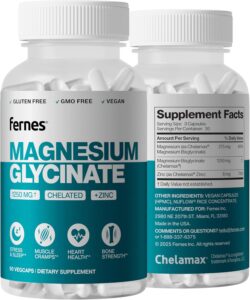
1. 🧘♀️ Magnesium – The Nervous System Whisperer
Magnesium is what your anxious muscles and frazzled brain are secretly begging for. It helps regulate the parasympathetic nervous system (your rest-and-digest mode) and keeps your stress response from going haywire.
But not all forms are equal. Magnesium glycinate is your best friend for relaxation, sleep, and mood.
Think of it as a warm bath for your brain.
📌 Try: 200–400 mg in the evening.
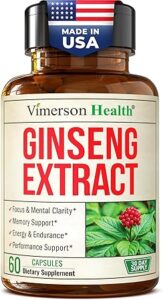
2. 🔋 Ginseng – Energy Without the Burnout
Ginseng is like a personal trainer for your adrenal glands — it doesn’t push you, it conditions you. Korean (Panax) ginseng gives your body a smooth lift in energy and focus without triggering a cortisol spike, making it ideal for long days and mental stamina.
American ginseng, on the other hand, is more calming and nourishing, like an herbal hug.
For when you’re tired but wired… and over it.
📌 Try: 200–400 mg daily, in the morning.
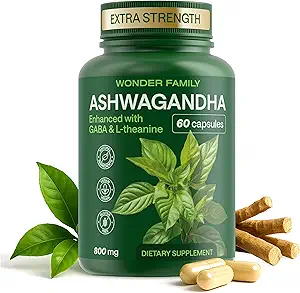
3. 🌿 Ashwagandha – The Queen of Chill
Ashwagandha doesn’t just reduce cortisol — it re-educates your entire stress system. It helps you fall asleep faster, reduces anxiety, and feel like a person again. This herb has been used for over 3,000 years in Ayurvedic medicine, and for good reason.
It’s your chill pill, in plant form.
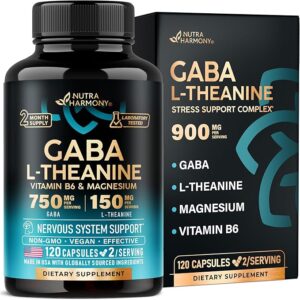
📌 Try: 300–600 mg daily (Wonder Family complex with GABA & L-theanine is most effective).
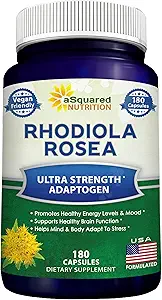
4. 🌱 Rhodiola – Your Burnout Shield
If stress has wrecked your energy and left you mentally wiped, Rhodiola is your comeback supplement. It helps you adapt to stress by supporting your adrenal glands, and is especially powerful for mental fatigue, emotional overwhelm, and workaholic recovery.
Take it before a stressful meeting or day of multitasking.
📌 Try: 200–400 mg in the morning only (too energizing at night).
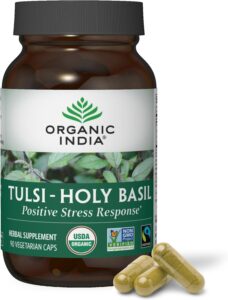
5. 🌼 Holy Basil (Tulsi) – Peace in a Teacup
Holy Basil is a gentle but powerful adaptogen that supports emotional balance, stabilizes blood sugar, and reduces stress-induced inflammation. It’s perfect for women feeling moody, foggy, or overwhelmed.
Best sipped as tea during a slow evening wind-down.
📌 Try: 1–2 cups of Tulsi tea daily or 300–600 mg extract.
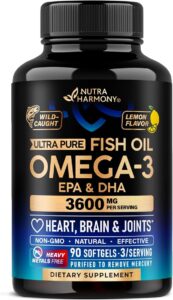
6. 🐟 Omega-3 – Must have for women's health
Omega-3s help lower cortisol by reducing inflammation in the brain and stabilizing the nervous system.
Many women notice fewer mood swings, less irritability (especially PMS-related), and a smoother emotional baseline within just a few weeks.
It’s one of the simplest ways to support hormone balance, improve stress resilience, and feel more grounded throughout the day.
Ideal if stress has you snapping at people for no reason or forgetting why you walked into the room.
📌 Try: 1,000–2,000 mg EPA/DHA daily.
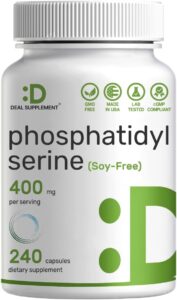
7. 🧠 Phosphatidylserine – Stress Recovery in a Capsule
This brain-boosting compound helps your body dial back cortisol after intense mental or physical stress. It’s great if you overthink everything or struggle to recover after workouts or arguments.
Helps you stop reliving that awkward conversation from 3 days ago.
📌 Try: 100–300 mg daily, especially in the afternoon or post-workout.
8. 🍵 L-Theanine – Zen Without the Zzz’s
This amino acid (found in green tea) smooths out brain waves and gently shuts off your internal alarm system, without making you sleepy. It’s perfect for daytime, calm, and better focus.
Combine it with caffeine for a stress-free productivity boost.
📌 Try: 100–200 mg as needed.
9. 💧 Vitamin C – The Cortisol Buffer You Didn’t Know You Needed
Your adrenal glands burn through vitamin C when you’re stressed. Supplementing helps lower cortisol while boosting immune resilience. It also supports skin health, which gets hit hard during stress spikes.
Yes, your morning orange juice is trying to save your life.
📌 Try: 500–1,000 mg daily.
Foods That Affect Cortisol Levels
You can’t supplement your way out of a stressed-out lifestyle — and that includes your diet. Food plays a powerful role in regulating cortisol, not just by feeding your body, but by signaling SAFETY to your nervous system.
When your meals are irregular, lacking nutrients, or filled with stimulants and sugar, your brain stays in survival mode. On the flip side, whole, nourishing foods tell your body it’s safe to rest, repair, and let go of stress.
✅ Foods That Lower Cortisol Naturally:
These foods contain the nutrients your adrenal glands need and help calm inflammation:
🥑 Healthy fats – avocado, olive oil, nuts, seeds (support hormone function)
🐟 Fatty fish – salmon, sardines, mackerel (rich in omega-3s)
🍳 Protein-rich foods – eggs, chicken, Greek yogurt (balance blood sugar)
🥬 Magnesium-rich greens – spinach, kale, Swiss chard (relax muscles + nerves)
🍠 Complex carbs – oats, quinoa, sweet potatoes (reduce cortisol spikes)
🫐 Antioxidant-rich fruits – berries, citrus, pomegranate (protect from stress damage)
🍵 Herbal teas – tulsi, lemon balm, chamomile (soothe the nervous system)
Pro tip: Eat consistent meals with protein, fat, and fiber to keep your blood sugar and cortisol steady.
🚫 Foods That Increase Cortisol:
These foods are known to trigger spikes in cortisol or prolong your stress response:
☕ Excess caffeine, especially on an empty stomach
🍬 Refined sugar and simple carbs (think candy, white bread, soda)
🍷 Alcohol, especially in the evening
🚫 Skipping meals or under-eating (common in chronic dieters)
🧂 High-sodium, processed foods (chips, fast food, frozen meals)
Other Natural Ways to Lower Cortisol
Supplements and food matter, but your daily habits are what truly train your body to feel safe again. Chronic stress keeps your cortisol stuck on high alert, but the right routines can reset the system and teach your body how to relax again.
These aren’t just wellness trends — they’re grounded in neuroscience and designed to help you come out of survival mode.
🧘♀️ 1. Try Gentle, Mindful Activities
Mindful activity is anything that brings your full attention to the present moment. Unlike meditation, you don’t have to sit still or clear your mind — you simply pay attention.
As you ground yourself, your cortisol lower, and your body shifts into parasympathetic (rest-and-digest) mode.
🧩 Try: Journaling, somatic breathing, knitting, handwashing dishes, nature walks, coloring, watering plants, or simply pausing for a few moments.
Here’s one specific exercise you might find handy:
5-5-5 GROUND AND GAZE EXERCISE
Step 1: Find 5 Things to Look At
Sit or stand somewhere still. Let your eyes rest on five distinct things in your space — a plant, a shadow, a chipped mug, a spot of light on the floor.
Don’t name them. Just see them. Let your gaze be soft, not focused.
Step 2: Take 5 Grounding Breaths
Now, take five deep breaths — in through your nose for 4 counts, out through your mouth for 6.
With each exhale, imagine a little weight dropping into your belly, pulling you down and into your body.
Exhale = soften.
Step 3: Feel 5 Points of Contact
Bring awareness to five places your body touches the world — your feet on the floor, hands on your lap, back against a chair, etc.
Pause at each one for a moment, saying silently: I am here.
🚶♀️ 2. Prioritize Gentle Movement
You don’t need to sweat to heal. In fact, intense workouts can spike cortisol, especially if you’re already overwhelmed. Gentle movement calms your system, boosts circulation, and helps your body metabolize stress hormones.
Your best options are walking, yoga, stretching, or dancing in your kitchen.
🌀 Bonus: Try somatic exercises like shaking, swaying, or gentle bouncing — these help the body physically discharge stored stress and support a calmer nervous system.
🛌 3. Sleep Like You Mean It
Cortisol is supposed to drop at night, but if you’re staying up late or scrolling your stress away, your brain misses the memo. Create a wind-down ritual that signals safety and sleep.
🌙 Try: Warm magnesium drink, blue-light blockers, aromatherapy, and no tech after 9 PM.
Dream Essential Oil Blend
Ideal for Aromatherapy, the Dream Essential Oil Blend boasts a serene and calming aroma that promotes relaxation, tranquility, and equilibrium. Made with pure essential oils ONLY - 100%
📓 4. Brain Dump or Journal Every Night
Stress builds up in the mind — and writing helps you release it. A 5-minute brain dump before bed clears racing thoughts, helps with sleep, and signals to your nervous system that it can let go.
📔 Try: Write out your to-do list, vent your stress, or list 3 things you’re grateful for.
😆 5. Laugh, Connect, and Feel Joy
Human connection and joy are biological antidotes to stress. Laughing, hugging, dancing, or spending time with someone who makes you feel seen naturally lowers cortisol levels.
🎥 Tip: Watch a favorite comedy, call your funniest friend, or follow more dogs and fewer doomscrolls.

Final Thoughts
Cortisol isn’t the villain — it’s your body’s built-in alarm system. The problem is, most of us are living like the alarm never turns off.
The supplements and habits you’ve just read about aren’t quick fixes — they’re invitations. Invitations to slow down, feed your body what it needs, and rebuild a sense of safety from the inside out.
The magic isn’t just in the capsules or teas — it’s in showing up for yourself daily, with a little less force and a lot more compassion. Because when your body feels safe, healing isn’t just possible — it’s inevitable.