
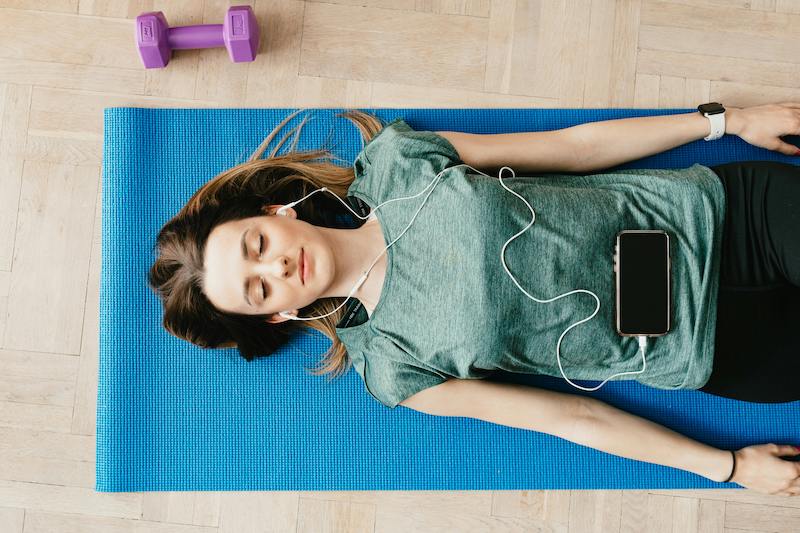
If you have been feeling tense, restless, or just wired but tired, your body might be running on too much cortisol, the main stress hormone.
Cortisol is not always the enemy. It helps us wake up in the morning, stay focused, and handle challenges. But when stress becomes constant, cortisol stops helping and starts draining us instead.
The good news is that movement is one of the most powerful ways to bring it back into balance.
You do not need fancy equipment or a gym membership to calm your nervous system. In fact, your living room, a yoga mat, and a few minutes of intentional movement can make a real difference.
Below are several types of at-home physical activities, from gentle somatic exercises to heart-pumping cardio, all designed to help reduce cortisol naturally.
1. Mat-Based Mindful Movement (Stretch, Breathe, Restore)
These are slow, restorative exercises you can do on a mat. They gently calm your body and help you release physical and emotional tension without strain.
Examples:
Try a Gentle Yoga Flow that includes Cat-Cow, Downward Dog, and Seated Forward Fold. Move slowly and focus on breathing evenly through your nose. Cat-Cow loosens the spine and neck, while Forward Fold lengthens the back and releases pressure in your lower body.
Practice Legs-Up-the-Wall by lying on your back with your legs extended upward against the wall. This simple posture reverses blood flow, soothes the nervous system, and helps you unwind after a long day.
You can also include Diaphragmatic Breathing, where you place one hand on your chest and one on your belly, then breathe so that your belly rises first. Try inhaling for a count of four and exhaling for six to gently activate relaxation.
Check out this short yoga sequence for beginners, where instructor Adriene gently guides you through calming poses designed for deep relaxation and stress relief.
Tip: End your session by simply lying on your mat with your palms facing up. Let your breathing slow down naturally. Ten minutes of quiet stillness can make a visible difference in your mood and cortisol levels.
2. Exercises with Simple Props (Blocks, Straps, and Foam Rollers)
If you have yoga blocks, a strap, or a foam roller, these simple tools can help you deepen stretches and release areas that hold chronic stress.
Examples:
Use a Yoga Block to do a Supported Bridge Pose. Lie on your back with your knees bent and feet hip-width apart. Lift your hips slightly and place the block under your lower back. Rest your body weight onto it and take five slow breaths. This supported position opens your chest, eases tension in the spine, and gently stimulates circulation.
A Foam Roller can be used to release muscle tightness that keeps the body in a fight-or-flight mode. Slowly roll your upper back, hamstrings, and calves, pausing on tight areas and breathing deeply until you feel the muscles soften.
The video below has a great short demo showing you the best way to use foam roller.
A Strap Stretch for your shoulders and chest can also be powerful. Hold the strap behind your back and gently lift it away from your body as you open your chest. This helps counter the hunched posture that stress often creates and encourages a deep, calming breath.
Why it helps: When your body feels supported and physical tension is released, your brain receives a message of safety, allowing cortisol levels to gradually fall.
Ashwagandha
This supplement helps support healthy cortisol levels, reduce daily stress, and promote a calmer, more balanced nervous system. Ideal for ongoing stress support or during cortisol-focused resets.
3. Somatic Exercises (Reconnecting Body and Mind)
Somatic exercises focus on awareness rather than intensity. They retrain your body to recognize safety, which is essential for long-term stress recovery.
Examples:
Try a simple Pendulation Practice. Bring attention to a part of your body that feels tense, such as your jaw or shoulders. Notice the sensations there for a few seconds, then shift your attention to a place that feels neutral or pleasant, such as your hands or feet. Move your focus slowly back and forth between the two. This teaches your body that you can experience discomfort while staying grounded and calm.
Practice a few minutes of Gentle Shaking. Stand with your knees slightly bent and begin to shake your hands, arms, shoulders, and legs. Let the movement spread through your whole body until you feel a sense of release. This exercise helps discharge built-up stress energy and lowers cortisol naturally.
For grounding, try Swaying Movements. Stand barefoot, bend your knees slightly, and gently sway side to side. Feel the weight shift through your feet as you breathe evenly. This rhythmic movement calms the nervous system and helps you feel more connected to the present moment.
Try this: Spend five minutes each morning doing gentle shaking or swaying before checking your phone or starting your day. It can reset your body’s stress response and help you begin with more energy and calm.
4. Cardio for Cortisol Balance (Not Burnout)
Cardio can either raise or lower cortisol, depending on how you approach it. Gentle, rhythmic cardio supports hormone balance and releases feel-good chemicals that help regulate stress.
Examples:
One of the most effective ways to lower cortisol is Dancing. Choose your favorite song and move however your body wants. It can be slow and graceful or upbeat and expressive. Dancing not only improves circulation but also releases endorphins and serotonin, which help neutralize cortisol.
If you prefer structure, try Brisk Walking or Marching in Place for fifteen to twenty minutes. Keep your posture upright, swing your arms, and breathe through your nose. This kind of movement increases oxygen flow and helps your body process cortisol more efficiently.
You can also try Low-Impact Step Workouts or light jogging in place. The goal is to keep your heart rate elevated enough to feel warm and energized but not exhausted. Listen to your body. When you move with enjoyment and ease, your stress hormones respond by settling down.
Key point: Aim for movement that feels joyful and sustainable. Cortisol decreases most when exercise feels good, not forced.
5. Strength and Resistance Training (Balance and Empowerment)
Strength training builds not only physical power but also emotional stability. When done mindfully, it improves metabolism, balances hormones, and creates a sense of calm confidence.
Examples:
Try Bodyweight Squats by standing with feet shoulder-width apart and lowering your hips as if sitting into a chair. Keep your back straight and rise slowly. Focus on steady breathing and control rather than speed.
Resistance Band Rows are another excellent option. Anchor the band around a sturdy object and pull it toward your chest while keeping your elbows close to your body. This strengthens your back and promotes good posture, which helps reduce physical tension linked to stress.
You can also add Wall Sits or Chair Dips to engage large muscle groups without straining joints. Holding these positions for 20 to 30 seconds teaches the body how to handle mild effort while staying calm, which translates into better stress regulation in daily life.
Mindful approach: Pay attention to your breathing throughout the movements. Take breaks as needed. It is about connection, not competition.
6. Restorative Cooldown (The Missing Piece)
The way you end your movement matters as much as how you start. Cooling down allows your body to integrate the benefits of exercise and return to balance.
Try this mini routine:
Sit or lie on your mat and take three slow breaths in through your nose and out through your mouth. Stretch your arms overhead, roll your shoulders back, and let your muscles soften. Place one hand on your chest and one on your belly. Feel the rise and fall of your breath. Then quietly repeat to yourself, “I am safe. I can rest now.”
This short moment of stillness tells your nervous system that it is time to shift from effort to recovery, completing the cortisol reset that your body has been waiting for.
Magnesium Glycinate
Add this magnesium supplement to your daily routine to support falling asleep faster and staying asleep through the night.
Final Thoughts
You do not need a long or intense workout to lower cortisol. What your body truly needs is consistency, gentleness, and a sense of safety. Whether you spend five minutes stretching, dancing, shaking, or simply breathing, every mindful movement helps your body return to calm.
Next time you feel overwhelmed, pause and move a little. Roll out your mat, breathe deeply, and let your body do what it knows best: release, restore, and return to balance.