Are you dealing with constant fatigue, sugar cravings, or stubborn belly fat that won’t go away?
If so, your cortisol levels could be out of balance.
Cortisol is your body’s main stress hormone, and when it stays elevated for too long, it can affect your sleep, mood, digestion, and even your weight.
This 21-day cortisol detox diet is designed to help calm your stress response, nourish your adrenal glands, and give your body the reset it needs in just three weeks.
What Is Cortisol and Why Does It Matter?
Cortisol is produced by your adrenal glands and plays a role in regulating blood sugar, metabolism, and the immune system.
In short bursts, it’s beneficial; it gives you energy to deal with challenges.
But when modern stressors like work deadlines, relationship issues, financial concerns, or lack of sleep keep cortisol high all the time, problems start to show up:
Belly fat that’s hard to lose
Restless nights or waking up exhausted
Afternoon energy crashes
Strong sugar or caffeine cravings
Irritability and mood swings
Digestive discomfort
Weakened immunity
Balancing cortisol through nutrition and lifestyle changes can restore energy, improve sleep, and support healthy weight management.
Why 21 Days?
Research shows it takes around three weeks to form new habits and start seeing hormonal shifts. This program uses that window to help your body:
Remove foods that spike cortisol
Replenish nutrients that support adrenal health
Improve digestion and sleep
Build sustainable stress-management practices
By the end, you’ll feel more energized, clear-headed, and resilient.
How to Prepare for the Cortisol Detox
Before starting, spend 5–7 days setting up your environment and mindset.
Clean Out Trigger Foods
Remove or reduce:
Refined sugar and artificial sweeteners
Processed snacks and fast food
Alcohol
Caffeine overload (coffee, energy drinks)
Refined carbs and gluten-heavy products (if sensitive)
The right supplements will tremendously accelerate the process for you, but…
…THEY MUST BE BIOAVAILABLE, meaning they are able to be absorbed by your body.
Unfortunately, most of the available brands in the drug stores are not, and it can be a pure waste of money.
So, go for a few targeted supplements. And you only need two of them:
Magnesium, which helps your body relax, supports better sleep, and calms your nervous system. We recommend Fernes Magnesium Glycinate with Zinc, which is promotes quick calming effects.
Ashwagandha is another powerful adaptogen that helps calm the nervous system, manage cortisol, and support overall stress relief. Wonder Family Ashwagandha Complex formula is a highly bioavailable form of ashwagandha, enhanced with GABA and L-theanine to improve absorption and effectiveness.
Week 1: Reset and Eliminate (Days 1–7)
The first week removes major cortisol triggers and introduces supportive foods.
Foods to avoid:
Caffeine (switch to herbal tea)
Sugar and alcohol
Dairy (if it causes bloating or inflammation)
Gluten and refined carbs
Processed foods
Focus on eating:
Protein with each meal
6–8 servings of vegetables daily
Healthy fats at every meal
Herbs and spices with anti-inflammatory properties
Sample Day Menu:
Breakfast: Scrambled eggs with spinach, avocado, and berries
Snack: Apple slices with almond butter
Lunch: Grilled chicken salad with quinoa, olive oil, and lemon
Snack: Small handful of walnuts and pumpkin seeds
Dinner: Baked salmon with broccoli and roasted sweet potato
Use the 80/20 rule — stay consistent 80% of the time, allow flexibility 20%
Limit added sugars, alcohol, and excessive caffeine
Keep up with sleep, movement, mindfulness, and social connections
Do a 3-day mini-reset if symptoms return (low energy, cravings, belly bloating)
Simple Cortisol-Friendly Recipes
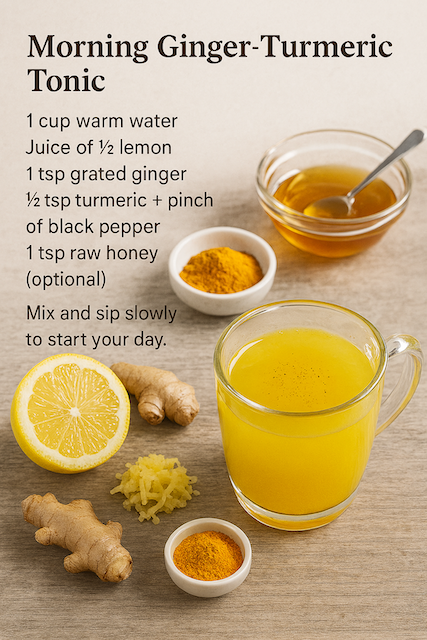
Morning Ginger-Turmeric Tonic
1 cup warm water
Juice of ½ lemon
1 tsp grated ginger
½ tsp turmeric + pinch of black pepper
1 tsp raw honey (optional)
Mix and sip slowly to start your day.
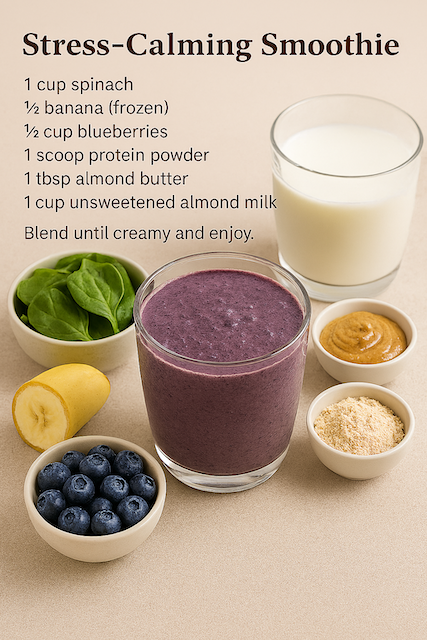
Stress-Calming Smoothie
1 cup spinach
½ banana (frozen)
½ cup blueberries
1 scoop protein powder
1 tbsp almond butter
1 cup unsweetened almond milk
Blend until creamy and enjoy.
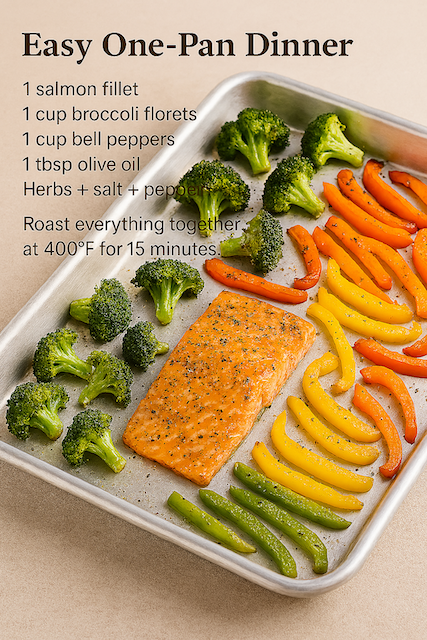
Easy One-Pan Dinner
1 salmon fillet
1 cup broccoli florets
1 cup bell peppers
1 tbsp olive oil
Herbs + salt + pepper
Roast everything together at 400°F for 15 minutes.
Final thoughts
Balancing cortisol isn’t about chasing quick fixes. It’s about giving your body the chance to rest, reset, and thrive.
The 21-day cortisol detox diet is a practical way to calm your stress response, improve your energy, and create sustainable habits that actually last.
By focusing on whole foods, gentle movement, quality sleep, and mindful practices, you’re not only lowering cortisol, you’re building a lifestyle that supports long-term health.
Remember, consistency matters more than perfection. If you slip, just return to your plan at the next meal.
Think of these three weeks as a reset button. When you finish, you’ll have the tools to manage stress, prevent cortisol “creep,” and feel more balanced every day. Your body and mind will thank you for the investment.