7 TEXT MESSAGES THAT ARE MANIPULATIVE AND WHAT THEY REALLY MEAN

This article may contain affiliated links from our partners. Full disclosure is kinda boring, but you can find it here.

As social beings, we interact with people every day.
With some, there’s an immediate sense of ease – conversations flow naturally, and we feel understood.
With others, however, even a simple interaction can feel draining, confusing, or strangely effortful.

This can be especially noticeable when we communicate digitally

You’ve probably had moments when a single text message left you feeling uneasy, guilty, or even questioning your own senses.
You couldn’t quite put your finger on it – something just felt off.

It might seem like an innocent miscommunication, BUT…

Often, your feelings are triggered on purpose – through subtle manipulation hidden between the lines of everyday messages.

How do you know when someone is genuinely communicating and when they are twisting words to control, guilt-trip, or destabilize you?

In this article, I’ll walk you through 7 examples of text messages that are often used for emotional manipulation.
We’ll break them down together, so you can spot the signs, trust your gut, and protect your peace.

So, let’s learn to read between the lines and take your power back.

Why manipulation is easier done through text messages?

Texting gives manipulators and narcissists the perfect playground.
It’s quick, it’s easy, and – most importantly – it gives them total control over the conversation.

Through text, they can carefully craft their words to create exactly the impression they want.

They can love-bomb you with sweet messages one minute, then deliver a cold, punishing silence the next – ALL WITHOUT FACING YOU DIRECTLY.

There’s no body language to read, no real-time reactions they have to manage – just words they can twist, edit, and send on their own terms.

Simply put: texting lets narcissists maintain their illusion of power – while keeping you off balance and guessing.

But once you understand how they use this tool, you take back control.
You stop reacting automatically, and you start seeing the truth behind their words.

11 examples of manipulative text messages

Texts from narcissists often don’t make much sense.

They might message you at weird times, jump between topics, or only talk about what they want.

Even though every narcissist is a little different, there are some COMMON HABITS.

They usually text to:

  • Shower you with love to pull you in,
  • Make sure you are still a loyal part of their entourage,
  • Make you doubt yourself,
  • Grab your attention when they feel you pulling away,
  • Guilt you into doing things for them

Let’s take a look at REAL EXAMPLES of how narcissists use texting to manipulate, confuse, and hoover you back into their world.

1. "Intense proclamations of Love" Texts

One of the first tricks narcissists use is love bombing – showering you with overwhelming affection and praise early on.
At first, it can feel flattering. Sweet, even. But deep down, something often feels off.

That’s because this isn’t real love. It’s not about truly seeing and valuing you.
It’s about CONTROL.
Just like when an acquaintance or coworker is overly nice for no clear reason – it leaves you feeling uneasy instead of happy.

Real love and deep connection grow with time. It’s steady, respectful, and sincere. It feels safe and mutual, not overwhelming or fake.

But narcissists use big, dramatic words to hook you emotionally – to make you lower your guard and quickly attach to them.

They say what they think you want to hear, not because they mean it. But because they want you on their side, just like gaining followers on social media – all about the numbers, not about a real connection.

All narcissists need is a fan club, a support group, an entourage, not a genuine connection. 

When you get these kinds of messages, ask yourself:

  • Do they feel too much, too soon?

  • Do they seem out of proportion to how well you actually know each other?

  • Would you feel a little embarrassed if someone else read them?

These are red flags worth paying attention to.

Big words. Big emotions. But very little real substance.

2. "Emotional drama" Messages

If certain texts from someone leave you feeling anxious or unsettled, that’s not an accident – it’s often by design.

Narcissists love using dramatic, emotional language to GRAB YOUR ATTENTION and pull you back into their orbit.

You’ll often notice these kinds of texts after moments of distance – maybe after a disagreement, some time apart, or when they feel you pulling away.

The goal?
To make you feel guilty.
To make you feel responsible for their emotions.
And most importantly – to keep the focus on them.

For a narcissist, even bad attention is still a win.
They’ll say whatever it takes to stir your emotions, hook you back in, and make sure you’re THINKING ABOUT THEM – instead of standing your ground.

Short, vague, and loaded with emotional bait – designed to make you feel bad and chase after them.

3. Demanding Texts

Most people send a quick, urgent text now and then – that’s normal.

But with narcissists, demands are constant.

They expect you to drop everything and meet their needs immediately, no matter what you’re doing.

These messages often show up out of nowhere – and sometimes, they arrive when they know you’re busy or unavailable.
It’s not about the actual request – it’s about testing your loyalty and control.

If you can’t respond right away or say no, they won’t forget.
Later, they’ll twist it around, accusing you of not caring, not being supportive, or being selfish.
It’s a setup – a lose-lose situation designed to wear you down.

Real relationships respect your time, energy, and boundaries.
Constant demanding is not love – it’s control.

4. Occasional ghosting patterns

One minute, they’re texting you non-stop. The next, they completely disappear – for hours, days, or even longer.

This sudden silence can feel random and confusing, but it’s often VERY INTENTIONAL.

Narcissists ghost like this to make you feel anxious and insecure.

Maybe they’re annoyed that they’ve shown too much interest. Maybe they’re testing you to see if you’ll chase after them.

They want you to start worrying and reaching out first, asking things like, “Are you okay?” or “Did I do something wrong?”

When they finally respond, they usually downplay it:

  • “I’ve just been busy, that’s all.”
  • “Nothing’s wrong. Why are you acting weird?”


Or they send a vague emotional message like:

  • “Just going through some things.”
  • “I’m not great, but whatever.”


The goal is to keep you feeling unsettled – and to keep your attention locked on them.

5. "Oops, Wrong Person" or Deleted Texts

When a narcissist sends a text meant for someone else, it’s never just a mistake.

It’s often the way to show that they have a busy life, filled with other people, and make you feel lucky they found time for you.

They want you to feel like you’re one of many, while also keeping you hooked.

Such behavior also adds to their sense of GRANDIOSITY, reinforcing the idea that they are in HIGH DEMAND and constantly sought after.

It’s a subtle way of positioning themselves as the prize – someone whose attention is scarce and therefore more valuable.

Sometimes, they’ll delete a text before you can see it, making you wonder if you missed something important, keeping you on edge.

It’s all part of their strategy to stay in control and manipulate the way you perceive them.

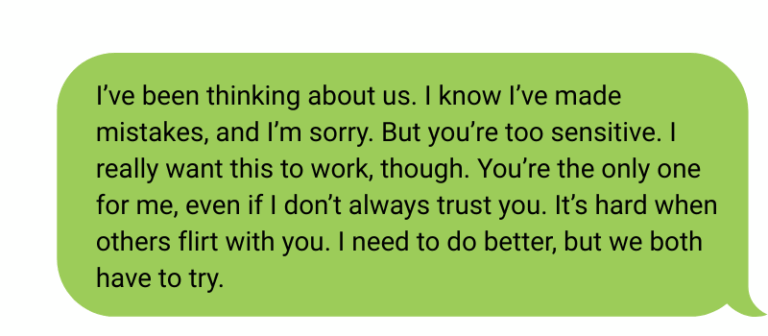
6. "The word salad" messages

When you read a message like this, how do you feel? Confused? Uncertain? Uneasy?

That’s because narcissists love to use half-apologies and manipulative language to overwhelm you with seemingly “thoughtful” messages.

Their goal is to leave you questioning everything.

“Word salad” is a psychiatric term used to describe disorganized and unclear speech, often found in conditions like dementia or schizophrenia.

But narcissists use a refined version of it to send mixed messages and confuse their loved ones.

These messages are designed to put you in a state of emotional turmoil.

Instead of clear communication, they throw in vague apologies and blame, forcing you to guess what’s really going on.

They want to keep you engaged in their drama while AVOIDING RESPONSIBILITY.

By making you feel uncertain, they ensure that you focus more on their feelings than your own. It’s a clever tactic to maintain control without ever truly addressing the real issues.

7. "Triangulation" texts

Triangulation is a common trick narcissists use to stir up drama, make you feel insecure, and create competition.

They do this by bringing a third person into the picture.

In texts, it often shows up when they casually mention someone else in a way that makes you feel jealous, left out, or not good enough.

It’s a sneaky way to keep you guessing, worrying, and trying even harder to win their attention and approval.

How to Respond to Manipulation Without Losing Yourself

Dealing with a narcissist – especially over text – can feel like walking through an emotional minefield. The more you react, the more power you give them.

That’s why it’s so important to respond in ways that protect your peace and keep you in control. This is how you do it:


1. Maintain Emotional Control

Narcissists thrive on emotional reactions.

They want to get under your skin, make you angry, confused, or defensive – because it gives them a sense of power.

One of the best ways to protect yourself is to STAY CALM, even if their message is hurtful or unfair.

AVOID BEING IMPULSIVE in your response and take a step back before you reply. Sometimes, not responding at all is the most powerful move. Staying cool shows them they don’t control how you feel.

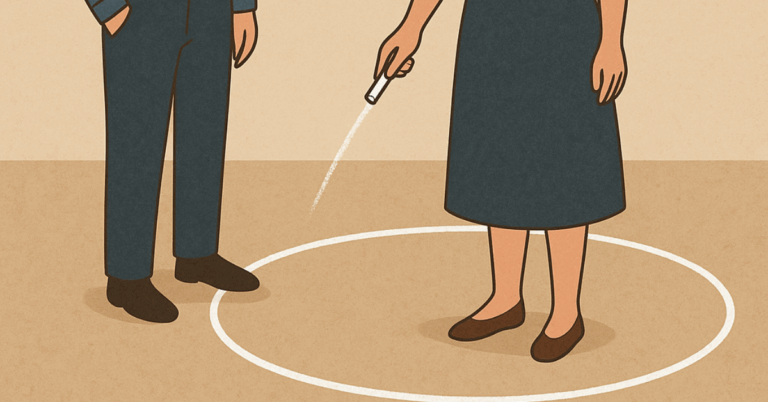
2. Create Boundaries

Narcissists love to monopolize your time, your space, and your mental energy. That’s why many of their texts come with a sense of urgency or imply immediate engagement. 

Regardless of pressure, you don’t have to immediately participate in every conversation they initiate. In fact, it is better that you deliberately take your time before responding. 

In a way, it is a training process – you are teaching a narcissist to RESPECT YOU. 

You’re allowed to say no.

You’re allowed to step back.

And you’re allowed to decide what kind of treatment you will and won’t accept.

If a narcissist crosses a line, call it out clearly and simply, without getting pulled into a long argument.

For example:

“I’m not okay with how you’re speaking to me. I won’t keep this conversation going if it continues.”

Keep your boundaries firm and consistent. They may push back — but stand your ground.

3. Use the Grey Rock Technique

This is a powerful tool when you’re dealing with someone who feeds off drama.

The idea is to make yourself as UNINTERESTING as a grey rock.

That means being neutral, boring, and not giving them the emotional reactions they want.

Keep your replies short and flat:

“Okay.”

“Noted.”

“I don’t have anything to add.”

This makes them lose interest because they can’t use your emotions to fuel their game.

4. Only Respond to Questions, Not to Provocative Statements

Narcissists often throw in dramatic or hurtful statements just to get a reaction out of you.

If there’s no actual question being asked, you don’t need to reply.

Responding only to real questions helps you avoid getting dragged into pointless arguments.

Example:
If they text, “You’re always so selfish, I don’t even know why I bother,” – don’t engage. There’s no question there. It’s bait. Let it go.

5. Answer Only What’s Being Asked

Some questions are designed to pull you in emotionally or get you to reveal more than you want.

Stay focused and reply only to what’s actually being asked – nothing more.

Avoid giving extra explanations or justifying yourself.

Example:
If they ask, “Why didn’t you call me back? Do you just not care anymore?”
You can simply say, “I do care about you, I was just busy.”

You don’t need to explain your whole day or defend your feelings. Keep it short, clear, and calm.

Final thoughts

Dealing with narcissistic texts can leave you feeling confused, hurt, or emotionally drained – and that’s exactly the point.

These messages are often designed to push your buttons, create doubt, and pull you into a cycle of reacting, explaining, or defending yourself.

But hopefully, now you can recognize some of those strategies and reply to those more deliberately and with intention. 

Remember, you’re not overreacting. You’re not “too sensitive.” You’re noticing the manipulation – and that’s the first step to taking your power back. 

Leave a Comment

Your email address will not be published. Required fields are marked *

IT IS ALL RELATED

Subscribe To Our Newsletter

Absolutely no spam. Only updates about our latest posts. I will only send you an email if I have something valuable to share.

0 Shares
Tweet
Share
Share
Pin