But that stubborn belly fat just won’t go away. It lingers, no matter what you try.
It might seems that it is, but it’s NOT your fault.
Very often, things like STRESS is what keeps your body stuck in that state. Stress hormones tell your body to hold on to fat, especially around the belly.
That’s why you don’t need another diet or workout plan.
YOU NEED A RESET. A simple, seven-day stress reset to calm your body and help it finally let go.
STRESS AND CORTISOL
When you go through something overwhelming or frightening (stress or traumatic incident), your body instantly reacts.
The brain sends signals that it’s time to SURVIVE.
It releases stress hormones like adrenaline and cortisol.
Adrenaline gives you a quick burst of energy and focus so you can act fast. Cortisol helps keep sugar in your bloodstream, giving your body steady fuel to stay alert and ready. It’s how your body prepares for fight or flight.
But when the experience is too intense or the stress doesn’t stop, cortisol stays high for too long. That’s when problems begin.
High cortisol tells your body to store fat, especially around your belly, as if it needs extra energy for survival. It also slows your metabolism and makes you crave sugar and comfort foods.
So even if you eat well and stay active, your body may still be stuck in “survival mode.”
To lose stubborn belly fat, you first need to calm your stress and bring cortisol back to balance.
WHAT CORTISOL DOES TO YOUR LIFE
Cortisol isn’t the bad guy. Your body needs it to wake up, stay focused, and handle life’s daily challenges. But when stress never lets up and cortisol stays high for too long, it starts working against you.
Here’s what happens when your stress hormones take over:
Sleep & Energy
You can’t fall asleep easily or stay asleep
You wake up tired, no matter how long you rest
Your energy crashes in the afternoon
Physical Health
You crave sugar and quick snacks all day
Fat starts to collect around your belly
Your immune system weakens
Your skin loses its glow and ages faster
Mind & Emotions
You feel anxious or on edge
You get irritated over small things
Your focus slips and your thoughts feel foggy
It’s harder to feel calm or happy
The worst part? High cortisol creates a loop. The more stressed you feel, the more cortisol you produce, and the harder it becomes to stop. Your body is asking for a break. It’s time to reset before stress takes over completely.
If your belly fat is mostly caused by stress and high cortisol levels, it often LOOKS and FEELS different from other types of fat storage. Here are some telltale signs:
You store fat mainly around your midsection vs being evenly distributed across your body.
Cortisol-related fat tends to concentrate around the abdomen, even if your arms or legs are slim.
Your belly feels soft, puffy, or swollen vs being firm or muscular.
High cortisol causes water retention and bloating, so your belly can feel inflamed or “stress-swollen.”
You have a “stress pouch”, a small round belly even when you’re not overweight.
You might notice that your stomach sticks out slightly below your ribs, especially when you’re tired or stressed.
Ashwagandha
If you deal with stress or low energy, an Ashwagandha supplement helps support your body’s natural stress response and calm the nervous system — promoting relaxation, focus, and balanced cortisol levels throughout the day.
Your waistline thickens over time, even if your weight stays the same.
Chronic cortisol can redistribute fat to the belly area, so you lose your natural waist definition.
You wake up with a flat belly but look bloated or distended by evening.
Cortisol fluctuates throughout the day; stress-related bloating often worsens as the day goes on.
You experience bloating, digestive discomfort, or irregular bowel movements.
Cortisol affects digestion, so belly fat often comes with gut tension or sensitivity.
You notice “stress weight” after emotional burnout, poor sleep, or high caffeine intake.
This type of belly gain often appears after intense work periods or emotional strain rather than diet changes.
3-STEP CORTISOL REDUCTION PLAN
There are so many ways to bring your cortisol back into balance. Exercise, meditation, better sleep, less caffeine, fewer screens, magnesium, sunlight, less sugar, gratitude, yoga – the list never ends.
But..
Trying to do all of that at once only adds MORE STRESS.
When you’re already tired and overwhelmed, the last thing you need is another long list of “shoulds.”
That’s why let’s make it as EASY as possible for you.
Just follow this simple plan from start to finish, and you’ll start feeling the difference in just one week.
PREPARATION: 2-Step daily stress relief
As part of your reset, add this simple TWO-STEP STRESS RELIEF ROUTINE to your day.
It takes less than five minutes, but it helps your body remember that it’s safe.
This quick practice will teach your brain to relax and let go.
Over time, it will recognize better when you body is not in danger anymore. But you need to help it at first.
DAILY STRESS RELIEF ROUTINE
Step 1: Ground Yourself with the 5-4-3-2-1 Method This quick grounding exercise brings you back to the present moment and helps your body feel safe. Look around and name:
5 things you can see
4 things you can touch
3 things you can hear
2 things you can smell
1 thing you can taste Take your time with each one. Notice the details around you. This simple exercise tells your brain that you’re here, right now, not in the stress or worry of your thoughts.
Step 2: Release Tension Through the Body Make tight fists with both hands and take a deep inhale through your nose. Hold for a second, then exhale slowly as you open your hands and let all the tension go. Repeat this three times.
As you release the last breath, say quietly or in your mind: “I am safe.”
This short sequence helps your nervous system reset, grounds your body, and reminds you that you are okay in this moment.
There are supplements that SCIENTIFICALLY proven to work especially well for lowering cortisol and helping your body recover from chronic stress.
They don’t just mask the problem; they support your system from the inside out.
Magnesium glycinate helps your muscles relax and signals your body that it’s safe to turn off the stress response. KSM-66 Ashwagandha teaches your body how to produce healthy cortisol levels again. It’s ancient wisdom backed by modern research. L-theanine calms your busy mind without making you drowsy, helping you feel clear and centered. Vitamin D3 lifts your mood and reminds your body that it can finally relax.
All of these ingredients WORK BEST TOGETHER, which is why they’re combined in the Perfect Cortisol Drink — a simple mix designed to help your body unwind and reset.
½ cup of pure tart cherry juice (optional, great for deeper sleep)
Ice cubes
Enjoy it in the afternoon, right when your stress tends to peak. You’ll notice your body start to unwind, your mind quiet down, and your evenings feel calmer.
7-DAYS CORTISOL RESET PLAN
I am not giving you a strict meal plan with every bite scheduled.
Most of the time, those rigid menus are unrealistic, and many of the products they include aren’t what most people normally eat.
Instead, think of this as a guideline to help you choose meals that support your cortisol reset.
Dietary Recommendations
Products to Eliminate (for these 7 days):
Alcohol (beer, wine, cocktails)
Caffeinated drinks (coffee, energy drinks, most sodas)
Snack Recommendations: Choose smaller portions more often instead of big meals. Realistic snack examples:
Apple slices with natural peanut butter
Baby carrots or cucumber slices with hummus
A boiled egg or two
Greek yogurt with a few berries
A small smoothie with spinach, banana, and unsweetened almond milk
Example Meal Plan
Breakfast:
Scrambled eggs with sautéed spinach and mushrooms
Whole-grain toast with avocado
A piece of fruit (apple or banana)
Water, herbal tea, or decaf coffee
Lunch:
Grilled chicken breast salad with mixed greens, cherry tomatoes, cucumber, and olive oil vinaigrette
Brown rice or quinoa on the side
Water or sparkling water
Dinner:
Baked salmon with roasted broccoli, carrots, and sweet potato
Mixed green side salad with olive oil and lemon
Water or herbal tea
This is just an example to give you a framework. You can mix and match similar foods while keeping meals balanced and simple. The goal is consistent, nourishing meals that help your body lower cortisol.
Life style changes
Sleep:
Aim for a consistent sleep schedule, even on weekends (DO NOT OVERSLEEP EITHER).
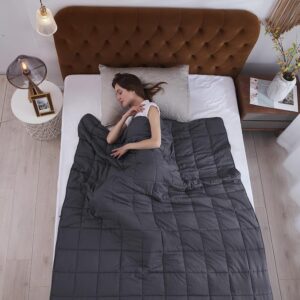
Keep your bedroom dark, quiet, and cool.
Avoid bright lights and screens at least one hour before bed. No scrolling, no TV binges (do not overstimulate your nervous system).
Consider calming evening rituals: light stretching, reading, or listening to relaxing music.
Exercise:
Keep it MODERATE, SUSTAINABLE, and DAILY. Regular movement matters more than intensity.
Options include brisk walking, swimming, cycling, or light jogging.
Incorporate somatic exercises to release tension and calm the nervous system. Check out my article on somatic exercises for practical routines.
Even 10–15 minutes of gentle stretching or yoga movement counts.
Relaxation & Stress Management:
Practice daily stress-relief techniques that fit you. Ideas include:
Pick what feels realistic for your day. It doesn’t have to be long, just consistent.
Additional Tips
Stay Hydrated: Drink plenty of water throughout the day. You can also use electrolyte packets if you’re active or sweating to keep your minerals balanced.
Supplements: Certain supplements can support cortisol balance, like the previously mentioned cocktail with magnesium glycinate, Ashwagandha, L-theanine, and vitamin D3. These aren’t a replacement for healthy eating, but they can help your body reset.
Social Support: Connect with friends or family. Laugh, smile, and enjoy uplifting content. Positive interactions help lower stress hormones naturally.
Sunlight: Spend at least 10–15 minutes outside daily to support mood and regulate your body’s stress response.
Simplify Your Day: Avoid overbooking yourself. Focus on one meaningful task per day rather than trying to do too much at once.
Take Breaks: Short pauses throughout the day like stretching, walking, or sitting quietly, help your nervous system reset.
TOOLS TO GROUND YOUR STRESS
Here are some additional tools to help you take your cortisol reset to the next level.
These aren’t must-haves, but they can make a big difference if you want to go deeper in your stress recovery journey.
Think of them as supportive ADD-ONS that help your body relax faster, ground your mind, and make the reset feel easier and more enjoyable.
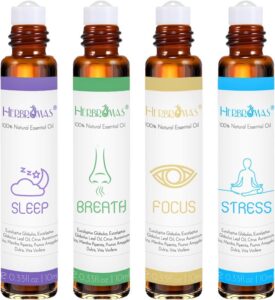
Essential Oil Rollerballs (Lavender, Peppermint, or Citrus)
Stimulate your senses and anchor your awareness. Keep one in your bag for on-the-go grounding. 🛒 Shop essential oils set
Himalayan Salt Lamp
Soft, warm light that mimics the calming frequency of nature. Creates a peaceful, grounded space — especially helpful during winter or late-night anxiety. 🛒 Shop Himalayan salt lamp
With gentle stimulation of vagus nerve, Pulsetto helps your body shift out of stress mode, regulate your emotions, and feel grounded within minutes. For those who likes quick solutions. 🛒 Shop Pulsetto
Final Thoughts
Your body isn’t broken, it’s just tired of living in survival mode. The stress, the fatigue, the stubborn belly fat… it’s all connected. When you give your body a chance to calm down, it knows exactly how to heal itself.
This 7-day reset isn’t about perfection. It’s about slowing down, listening to your body, and giving it what it truly needs, which is safety, rest, and balance. Start simple. Stay consistent. And watch how your energy, mood, and body begin to shift in ways you didn’t think were possible.
You deserve to feel calm, clear, and confident again. Your reset starts now.